Sean Lan — Year 2, Life Science
Abstract
Allergic rhinitis affects over 400 million people worldwide, yet current pharmacological treatments bear significant side effects and costs, motivating the exploration of botanical alternatives. This study evaluated the effect of rosemary, stinging nettle, and quercetin (individually and in combination) on acid diffusion and buffering capacity in a mucus-mimetic gelatin hydrogel model under three humidity conditions (30%, 50%, and 70% relative humidity). Diffusion diameter, diffusion rate, and pH change over time were measured following application of acetic acid as a simplified irritant. All botanical treatments reduced acid diffusion and slowed pH decline relative to the untreated control, with combination treatments outperforming individual extracts. The rosemary and quercetin combination demonstrated the greatest reduction in diffusion diameter and the strongest buffering capacity across all conditions. These findings suggest that polyphenolic botanical extracts may enhance mucus-like barrier properties, providing a basis for further investigation into plant-derived approaches to managing nasal mucosal irritation in allergic rhinitis.
Introduction
General Context of Allergic Rhinitis
Allergic rhinitis affects more than 400 million individuals worldwide, which remains underdiagnosed and undertreated, and, in the United States, it affects between 10% and 30% of the adult population and up to 40% of children, making it the fifth most prevalent chronic disease (Alnahas et al., 2023; Cohen, 2023; World Allergy Organization, 2020). Rhinitis symptoms can disturb daily activities and sleep patterns, leading to daytime inattention, irritability and hyperactivity. In addition, children with allergic sensitization are also more likely to have asthma, otitis and atopic eczema, the other major diseases of the atopic diathesis (Owens et al., 2018).
Allergic rhinitis (AR) is an inflammatory reaction triggered by the deposition of allergens on the nasal mucous membranes. There are two types of AR: seasonal rhinitis, occurring in the spring, summer and early fall when trees, weeds bloom, and pollen counts are higher, and perennial rhinitis, which occurs year-round as it results from ubiquitous irritants, such as pet dander, cockroaches and dust mites (Cleveland Clinic, 2020). AR is a type 1 hypersensitivity reaction in which the immune system mistakenly perceives harmless substances, such as antigens or allergens, as toxic or foreign, mounting an immediate immune response to eliminate them. In the type 1 hypersensitivity reaction, the body responds to an antigen by producing a specific antibody, an exaggerated immunoglobulin E (IgE) (Millar, 2021). The reaction occurs when antigen-specific IgE binds to mast cells and basophils, triggering the release of inflammatory mediators, including histamine, tryptase, and proteases (Abbas et al., 2023).
Recent research has clearly shown that oxidative stress plays a central role in driving AR. Oxidative stress occurs when reactive oxygen species (ROS), such as the superoxide anion (O₂⁻) and hydrogen peroxide (H₂O₂), overwhelm the body’s antioxidant defences (Tian et al., 2025). In allergic rhinitis, these ROS damage the nasal epithelial barrier and trigger the release of proinflammatory cytokines and chemokines, thereby intensifying allergen sensitization (Tian et al., 2025). Furthermore, elevated ROS levels disrupt mast cell degranulation and eosinophil recruitment, ultimately leading to classic symptoms such as nasal blockage, runny nose, and sneezing (Tian et al., 2025). These findings indicate that ROS are not simply by-products of allergic inflammation but active contributors to epithelial dysfunction, immune dysregulation, and symptom severity in AR (Tian et al., 2025).
Current pharmacotherapy for AR begins with intranasal corticosteroids, which are the most effective treatment and the first-line therapy for persistent symptoms that affect quality of life (Sur & Plesa, 2015). However, long-term use of intranasal corticosteroids may increase the risk of osteoporosis, fractures, cataracts, hyperglycemia, infection, slower wound healing, and headache (Lim et al., 2021). More severe AR that does not respond to intranasal corticosteroids should be treated with second-line treatments, such as oral or topical antihistamines, oral antileukotrienes, decongestants, mast cell stabilizers, croloyn, and anticholinergics (Mandhane et al., 2011; Sur & Plesa, 2015). Subcutaneous or sublingual immunotherapy is provided if first-line and second-line therapies do not adequately suppress symptoms or if patients have allergic asthma (Sur & Plesa, 2015). These treatments, delivered individually or in combinations, report side effects including sedation, psychosis, impaired learning and memory, and cardiac arrhythmias (Milgrom & Bender, 1997).
In addition, the substantial costs for AR therapy urge the need for alternative or more affordable therapeutic approaches. This is further exacerbated by common comorbidities with AR, like sinusitis (51.1% prevalence) and asthma (27.9%), that raise overall healthcare expenditures (Dalal et al., 2008).
Historical Context and Rationale for Botanical Interventions
Botanical remedies for respiratory and inflammatory conditions have been used for thousands of years across cultures, including symptoms of allergic rhinitis such as nasal congestion, sneezing, and mucosal irritation. Historical folk remedies from the Mediterranean and Middle East utilized rosemary to help “clear the head,” alleviate catarrh, and ease breathing during colds. It was frequently prepared as an herbal steam or inhalation, capitalizing on its aromatic essential oils, which are believed to have decongestant and antimicrobial properties (Relationship: Congestion (Sinus) and Rosemary – Caring Sunshine, 2025). Since ancient times, nettle has been included in remedies for its anti-inflammatory properties. One example is that ancient Egyptians used nettle leaf infusions to relieve arthritis and lumbago (Upton, 2013). Quercetin itself was not traditionally ingested, unlike in modern isolation, but quercetin-rich foods were incorporated into diets and remedies for inflammation. Its main natural sources in foods are vegetables, such as onions and broccoli; fruits, such as apples, berries, and grapes; some herbs; tea; and wine. Onions were used in traditional Chinese and Japanese medicine for respiratory inflammation, and Indigenous tribes such as the Cherokee used their antioxidant effects to treat colds and congestion (Borchers et al., 2000). The longstanding use of botanical extracts, including rosemary, nettle, and quercetin, in traditional medicine for respiratory and inflammatory conditions presents a compelling case for further scientific examination.
Deep Exploration of Literature on Individual Botanical Extracts
The polyphenolic compound rosmarinic acid, found in rosemary, has extensive evidence of anti-inflammatory effects in models of allergic inflammation. Rosmarinic acid inhibits the expression and activity of inflammatory enzymes of the arachidonic acid pathway, specifically lipoxygenase, which produces leukotrienes, and cyclooxygenase-2 (COX-2), which produces prostaglandins (Dragana Jakovljević et al., 2025). Consequently, the inflammatory mediators causing nasal congestion and mucus secretion in allergic rhinitis, leukotriene C4 and prostaglandin D2 from activated mast cells, are reduced. This is facilitated by rosmarinic acid’s ability to interfere with nuclear factor kappa B (NF-κB) activation upstream and directly, a transcription factor that upregulates these enzymes when mast cells are triggered by IgE crosslinking (de Oliveira et al., 2019). In addition, rosmarinic acid exhibits strong antioxidant properties by directly scavenging reactive oxygen species (ROS), including hydrogen peroxide and superoxide, thereby preventing oxidative tissue damage to the nasal epithelium that exacerbates inflammation and permeability (Kim et al., 2020). Increased intracellular ROS levels induce the synthesis and activation of cyclooxygenase-2 (COX-2), a molecule that produces prostaglandins, key inflammatory mediators. Therefore, reducing ROS levels directly decreases inflammation triggered by oxidative stress (Kim et al., 2020). These mechanisms highlight rosemary’s potential to mitigate allergic rhinitis symptoms such as swelling and irritation, providing a rationale for its inclusion in therapeutic extracts.
Stinging nettle leaf extracts have demonstrated significant antihistaminic and anti-inflammatory effects in both mechanistic and clinical studies. The anti-allergenic properties of nettle are primarily due to two processes. Bhusal et al. (2025) states that, in addition to blocking histamine H1 receptors, nettle inhibits tryptase, which lowers mast cell degranulation (the process in which mast cells release inflammatory substances, such as histamine, TNF-α, and tryptase, into the circulation upon activation) and the release of proinflammatory cytokines (proteins that reduce inflammation and promote healing through its anti-inflammatory qualities). Furthermore, by neutralizing ROS, nettle polyphenols help prevent oxidative stress, while their ability to alleviate inflammatory states helps slow the adverse effects of inflammaging (Katarzyna Wójcik-Borowska et al., 2025). These processes prevent the cascade that leads to rhinitis symptoms such as itching, sneezing, and congestion. Clinically, in randomized double-blind research with patients with allergic rhinitis, symptoms improved after one week of nettle extract treatment (Bhusal et al., 2025), confirming nettle’s efficacy in alleviating rhinitis symptoms.
Quercetin, a ubiquitous flavonoid found in plants, is an effective mast cell stabilizer with broad anti-allergic effects. It exerts anti-inflammatory effects by decreasing the expression of inflammatory genes, such as IL-1β, COX-2, IL-6, and TNF-α, in adipocytes and macrophages (Aggarwal et al., 2025). It also inhibits the production of histamine and pro-inflammatory mediators, such as leukotrienes and prostaglandins, and decreases the release of IgE antibodies by B cells, resulting in significant reductions in the incidence of AR (Aggarwal et al., 2025). Preclinical trials on chronic pain found an analgesic role for quercetin, which represses neuronal inflammation and oxidative stress (Aggarwal et al., 2025). ROS are directly involved in oxidative stress. Additionally, ROS can cause inflammation by activating the transcription factors activator protein-1 and NF-κB (Boots et al., 2011). TNFα and other pro-inflammatory cytokines are induced by these transcription factors (Boots et al., 2011). Quercetin protects against oxidative stress by scavenging ROS and reducing inflammation. By modifying NF-κB in human peripheral blood mononuclear cells, quercetin can suppress both TNFα production and TNFα gene expression (Boots et al., 2011). Simultaneously, NF-κB activation is known to trigger the production of radical-generating enzymes, thereby facilitating radical formation (Boots et al., 2011). Consequently, quercetin’s anti-inflammatory action, which inhibits NF-κB activation, prevents this pathway of radical production and thus lessens oxidative stress (Boots et al., 2011), demonstrating the interconnectedness between quercetin’s antioxidant and anti-inflammatory properties.
The nasal mucus layer acts as the first line of defence against inhaled allergens and irritants, functioning as a physical and chemical barrier that regulates diffusion and maintains local pH homeostasis. During allergic inflammation, acidification of the mucosal environment has been associated with increased epithelial irritation and heightened sensitivity of acid-sensing ion channels, which intensify discomfort and inflammatory signalling. Therefore, the buffering capacity and diffusion-limiting properties of the mucus layer are critical determinants of symptom severity. These botanical extracts can potentially reinforce these properties by slowing irritant diffusion or resisting pH changes, which may play a significant role in managing rhinitis symptoms, even without directly targeting the immune response.
It is hypothesized that botanical extracts of rosemary, stinging nettle, and quercetin, incorporated individually and in combination into a mucus-mimetic hydrogel, will reduce the rate of acid diffusion and maintain a higher pH compared to an untreated control, with combination treatments proving to be more effective than individual extracts due to synergistic interactions between their polyphenolic compounds.
Identification of the Research Gap
While studies have established the therapeutic potential of rosemary, nettle, and quercetin extracts in modulating pathophysiological processes of allergic rhinitis—namely, mast cell degranulation, ROS-mediated oxidative damage, and proinflammatory mediator production—the existing literature is overwhelmingly limited to investigations of these agents in isolation. Although these plant extracts target aspects of the allergic inflammatory cascade—nettle and quercetin inhibiting histamine release and cytokine production, and protecting against ROS-driven oxidative stress; and rosemary suppressing NF-κB-driven enzymes such as lipoxygenase and COX-2—their combined application remains largely unexplored, despite strong biological plausibility for synergistic effects. Such synergies could amplify efficacy, reduce required doses, minimize side effects, and improve accessibility via tea or spray formulations, thereby addressing rhinitis’s multifaceted mechanisms more comprehensively than monotherapy.
A critical research gap persists: no published studies have evaluated the individual or combined efficacy of these three botanical extracts under controlled conditions replicating the environmental variable of relative humidity, which profoundly influences allergen deposition, nasal mucosal hydration, and symptom severity (ENT of Georgia, 2023). This project bridges that gap by employing a gelatin-based model to unveil the anti-inflammatory capabilities of rosemary, quercetin, and stinging nettle (in isolation and in combination) at 30%, 50%, and 70% relative humidity, potentially offering a cost-effective and accessible botanical solution that could benefit 400 million individuals affected worldwide, especially underserved communities (World Allergy Organization, 2020).
Materials and Methods
A mucus-mimetic hydrogel model was developed to evaluate the effect of botanical extracts on acid diffusion and buffering capacity under varying humidity conditions. Red cabbage (Brassica oleracea) was used as a natural pH indicator due to its anthocyanin pigment content. Approximately one-quarter of a red cabbage head was finely chopped and boiled in 400 mL of distilled water for 10 minutes to extract anthocyanins. The solution was filtered through 2 layers of coffee filters to remove plant solids and then cooled to room temperature before further use.
Botanical extracts were prepared using commercially available botanical materials. Quercetin powder was obtained from capsules manufactured by the brand Webber Naturals. Stinging nettle powder was obtained from capsules created by Nature’s Way. Dried rosemary leaves were obtained from culinary rosemary produced by Club House. For each extract, approximately 4 g was used. Rosemary leaves were steeped in boiling distilled water for 5 minutes to release soluble phytochemicals, then crushed into a fine paste. Quercetin and stinging nettle capsules were opened, and the powdered contents were weighed to obtain approximately 4 g of each extract.
In addition to individual botanical treatments, three combination treatments were prepared to evaluate potential synergistic effects between botanical compounds. These included rosemary combined with quercetin, rosemary combined with stinging nettle, and quercetin combined with stinging nettle. Combination mixtures were prepared at a 1:1 volume ratio, using approximately 2 g of each extract, for a total of 4 g per combination. For each plant preparation or mixture, 20 mL of distilled water was added, and the solution was shaken thoroughly to ensure adequate mixing of the extracts.
Gelatin hydrogel was prepared as the diffusion medium to simulate a simplified mucus-like barrier. Elo’s Premium gelatin powder was dissolved at approximately 10% mass concentration (g/100 mL) in the cooled cabbage extract solution by gently heating below the boiling point with continuous stirring. Once the gelatin was fully dissolved, the solution was cooled to approximately 40 °C to prevent degradation of botanical phytochemicals during mixing.
The gelatin solution was divided into multiple 5 mL aliquots in sterile containers, one for each treatment condition. Each aliquot received 200 µL of the appropriate botanical extract solution and was gently mixed to ensure uniform distribution throughout the gelatin matrix. Control samples received 200 µL of distilled water instead of the extract. The prepared mixtures were poured into sterile 60-mm polystyrene Petri dishes (Westlab) to form a uniform gel layer approximately 3–4 mm thick.
Prior to gel solidification, baseline pH measurements were recorded using a digital pH probe (Metravi Instruments PH-600). The probe was carefully submerged into the gelatin while it remained in its liquid state to determine the initial pH of each treatment mixture. Following the pH measurement, the gels were allowed to solidify at room temperature for approximately twenty minutes.
To simulate an acidic irritant diffusing through the hydrogel barrier, 100 µL of white vinegar (Western Family, 5% acetic acid) was applied to the center of each Petri dish once the gel had fully solidified. Diffusion of the acidic solution through the hydrogel produced a visible colour change from purple to pink in the cabbage pigment, indicating areas of decreased pH.
Petri dishes were then placed inside sealed plastic humidity bins (IRIS USA 30 L) to examine the effect of environmental moisture on diffusion behaviour. Humidity levels were maintained at 30% (low), 50% (typical indoor), and 70% (high) relative humidity. A portable ultrasonic humidifier (DREO) was placed in the chamber as needed to increase humidity, while a digital hygrometer (ThermoPro TP49W) continuously monitored it.
The diameter of the visible pink diffusion zone was measured using digital callipers (FineSource) at time intervals of 5, 10, 20, 30, and 40 minutes following application of vinegar.
To further assess buffering effects within the gel, pH measurements were performed after a 40-minute diffusion period. A small indentation was gently created at three specific positions within the gel: the center diffusion region, the midpoint of the diffusion boundary, and the outer unaffected gel region. The pH probe tip was carefully inserted at these locations to measure the pH gradient resulting from acid diffusion.
Each treatment condition, including control samples, was replicated three times at each humidity level to improve measurement reliability. Diffusion diameters, time-to-colour-change values, and pH gradient measurements were averaged across replicates for each treatment group and humidity condition.
Results
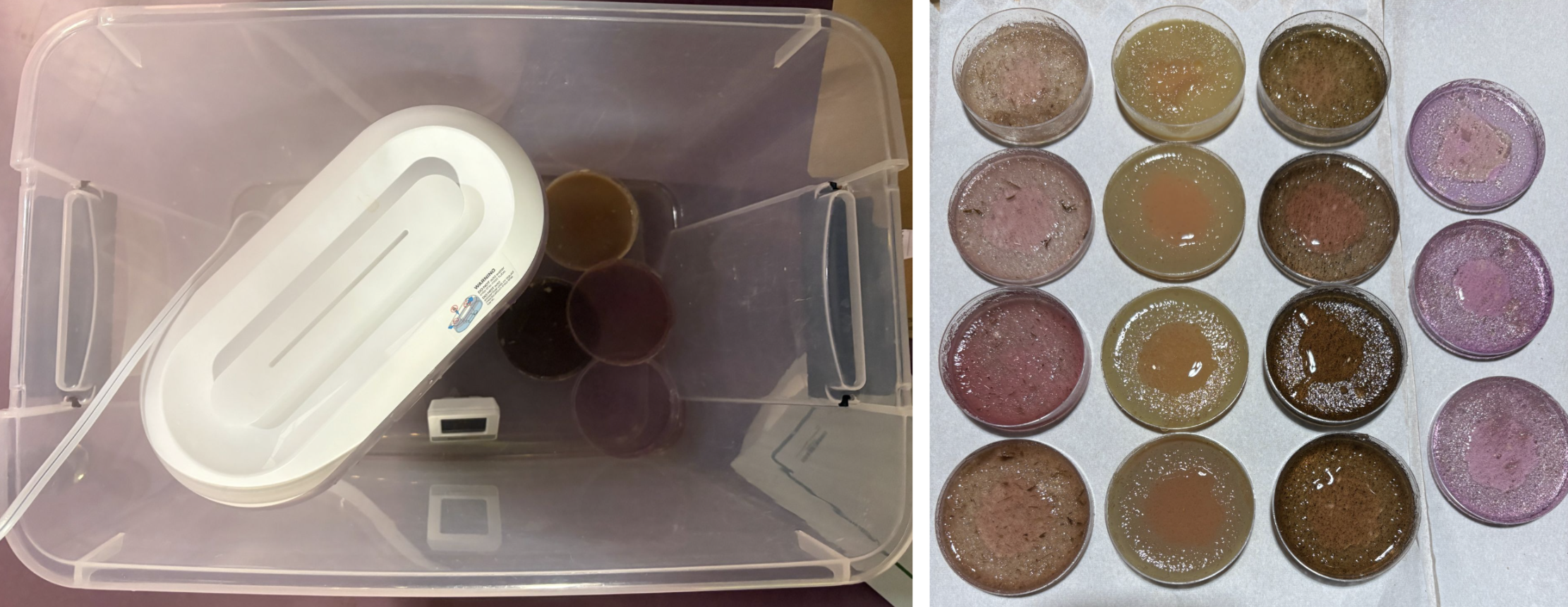
Figure 1: Humidity chamber setup and botanical extract-infused hydrogel plates.
Application of vinegar to the center of the control gelatin plates produced a visible pink circular diffusion zone within several minutes as the acidic solution diffused through the hydrogel matrix. Across all humidity conditions, the diffusion pattern remained radially symmetrical, expanding outward from the center point of application over time.
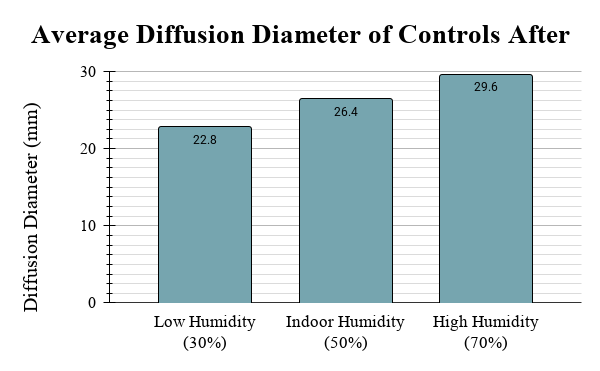
Figure 2: Average diffusion diameter of control gels after 40 minutes across humidity conditions. Control gels exhibited increasing diffusion diameters with increased humidity, demonstrating that higher humidity accelerates acid diffusion through the hydrogel matrix.
Across varying humidity levels, control gels exhibited a positive relationship between humidity and diffusion diameter, with higher humidity producing larger diffusion zones at 40 minutes. These results indicate that higher humidity accelerated diffusion through the gelatin.
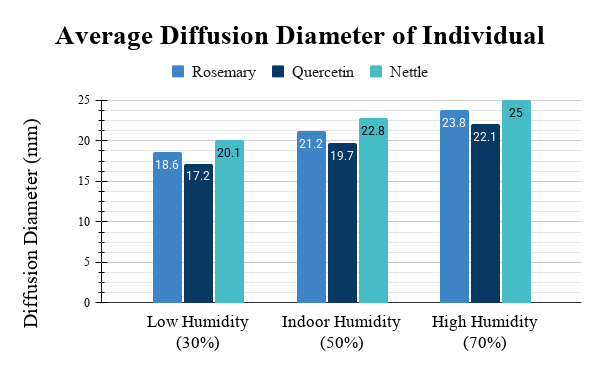
Figure 3: Average diffusion diameter of individual treatments after 40 minutes across varying humidities. Quercetin exhibited the smallest final diffusion diameter, followed by rosemary and stinging nettle across all humidity levels.
Individual botanical treatments reduced diffusion diameters relative to the control condition across all humidity levels. Among the individual treatments, quercetin consistently produced the smallest diffusion diameters after 40 minutes and therefore the greatest resistance to acid diffusion, followed by rosemary, then nettle.
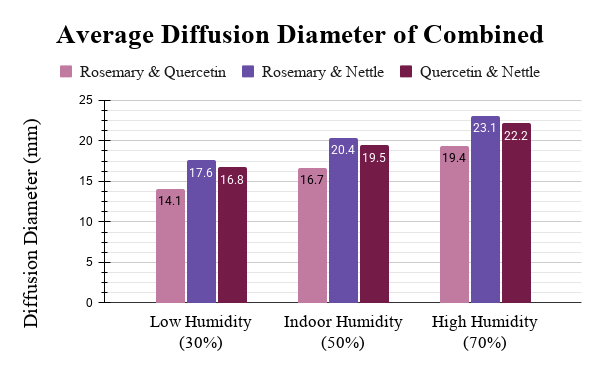
Figure 4: Average diffusion diameter of combined treatments after 40 minutes across varying humidities. Across all humidity levels, rosemary and quercetin exhibited the smallest final diffusion diameter, followed by quercetin and rosemary, and finally rosemary and nettle.
Combination treatments demonstrated the most pronounced reduction in diffusion across all humidity conditions. Rosemary and quercetin produced the smallest diffusion diameters among all tested treatments; quercetin and nettle demonstrated a moderate reduction in diffusion; and rosemary and nettle produced the weakest effects. However, combined treatments across all humidity levels exhibit greater resistance to acid diffusion than individual treatments.
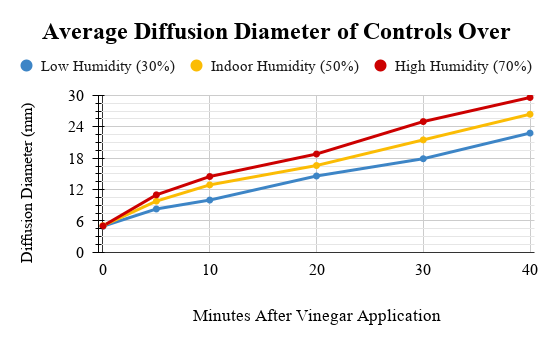
Figure 5: Average diffusion diameter of control gels over time at varying humidity levels. High humidity (70%) consistently produced the steepest trend over the 40-minute observation period, followed by indoor humidity (50%), then low humidity (30%).
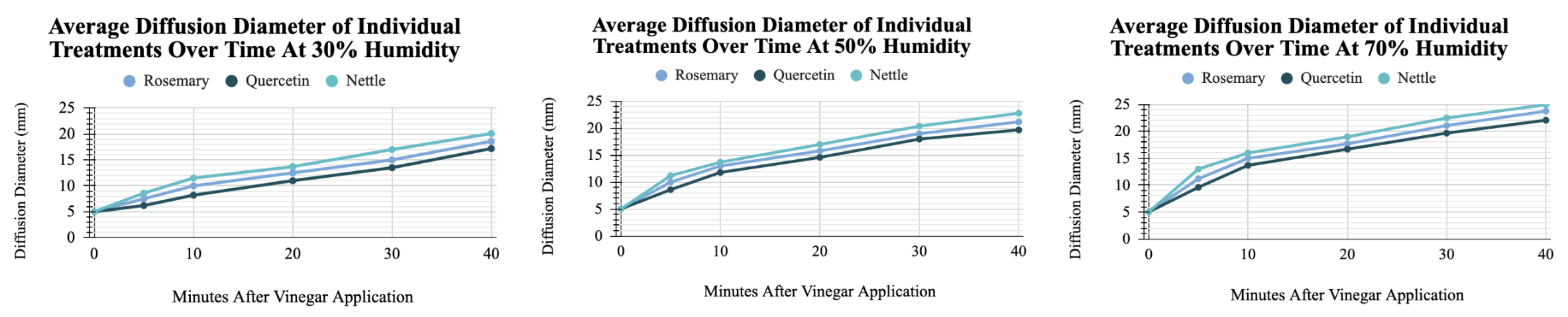
Figure 6: Average diffusion diameter of individual treatments over time at three humidity levels. Quercetin consistently produced the shallowest trend over the 40-minute observation period, followed by rosemary, and then nettle, with the steepest. The steepness of each trend increases with humidity.
Diffusion rates were estimated by measuring the increase in diffusion diameter at 5, 10, 20, 30, and 40 minutes. All three humidity conditions produced radially symmetric and near-logarithmic patterns of expanding diffusion, with the steepest slopes occurring between 0 and 5 minutes, and slopes increasing from 20 minutes onwards. Across all three humidity conditions, control gels displayed the steepest upward trend over the 40-minute period, indicating the fastest rate of diffusion-diameter expansion, whereas all individual herbal treatments produced noticeably shallower trends, indicating that each extract reduced the rate of acid diffusion through the hydrogel relative to the untreated condition. Quercetin consistently exhibited the shallowest trend among the individual treatments, indicating the slowest rate of diffusion expansion over time and the greatest sustained resistance to acid penetration across the full 40-minute observation period. Rosemary produced a trend intermediate between quercetin and stinging nettle, maintaining a moderately reduced rate of diffusion expansion that remained consistently below the stinging nettle line at every time point across all humidity conditions. Stinging nettle, while still producing a shallower trend than the control, showed the steepest rate of expansion among the three individual treatments, with its line trending closest to the control curve, particularly at later time points and higher humidity levels, suggesting the weakest diffusion-reducing effect among the individual botanical treatments tested.

Figure 7: Average diffusion diameter of combined treatments over time at three humidity levels. Quercetin & rosemary consistently produced the shallowest trend over the 40-minute observation period, followed by quercetin & nettle, and, lastly, rosemary & nettle, with the steepest trend. The steepness of trends increases with humidity.
Across all three humidity levels, combined treatments consistently produced the gentlest trend over the 40-minute period compared to both the control and individual treatments, demonstrating the greatest sustained reduction in diffusion diameter over time. Rosemary and quercetin maintained the shallowest trend among all combinations throughout the observation period, indicating the strongest and most consistent suppression of acid diffusion over time at all humidity levels. Quercetin and nettle followed with a moderately shallow trend, expanding at a slightly faster rate than rosemary and quercetin. Rosemary and nettle exhibited the steepest trend among the combinations, yet still expanded more slowly over time than any individual treatment or control, confirming that all combined treatments offered the greatest diffusion resistance across the 40-minute period.
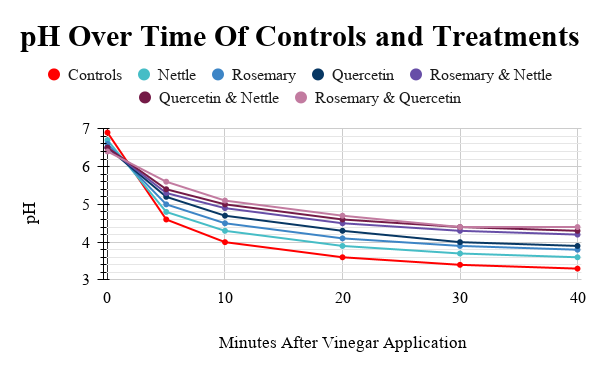
Figure 8: pH over time following vinegar application for all treatments, averaged across three humidity levels. Combinations produce the greatest resistance to acidification.
pH measurements were collected at 5, 10, 20, 30, and 40 minutes after applying vinegar to assess buffering behaviour within the gel matrix. Baseline pH values at zero minutes varied: the control, composed solely of gelatin and distilled water, began at the highest baseline pH of 6.9, while extract-containing gels began at slightly lower baseline values due to the mild acidity of the botanical compounds. Across the three humidity conditions, pH trends remained relatively consistent, with higher humidity producing only marginally less acidic readings, likely due to increased gel hydration slightly diluting hydrogen ion concentration. As the differences across humidity levels were minor compared to those between treatments, pH measurements were averaged across all three conditions and presented in this single graph above. All treatments followed a steep initial pH decline immediately following vinegar application, reflecting the rapid diffusion of hydrogen ions driven by the large concentration gradient between the acidic vinegar and the near-neutral gel. The rate of decline progressively slowed across all treatments as the concentration gradient decreased over time. The control exhibited the steepest and deepest decline over the 40-minute period, reaching the lowest final pH, indicating a lack of buffering capacity in the untreated gel. All individual treatments maintained higher pH values than the control at every time point, with quercetin showing the shallowest decline and the highest final pH among the individual treatments, suggesting the greatest individual buffering potential. Nettle showed the steepest trend among individual treatments, finishing closest to the control, indicating the weakest buffering capacity of the three individual extracts. All three combination treatments consistently maintained higher pH values than both the control and all individual treatments throughout the observation period, demonstrating that combining extracts enhanced buffering potential beyond what any single extract achieved alone. Rosemary and quercetin maintained the highest pH at every time point among all treatments, exhibiting the shallowest overall trend and greatest resistance to acidification, indicating the strongest buffering capacity observed across all conditions.
Discussion
The results of this study demonstrate that incorporating botanical extracts into a gelatin hydrogel matrix significantly influenced the diffusion behaviour of an acidic solution and altered regional pH over time. Across all experimental conditions, diffusion was more rapid in control gels than in extract-containing gels, indicating that plant-derived compounds altered the physicochemical properties of the hydrogel.
Across all treatments, three replicate trials were performed for each humidity condition. During early preliminary trials, occasional irregular diffusion zones were observed due to uneven gel thickness or slight surface imperfections. These anomalies produced asymmetric diffusion patterns and inconsistent diameter measurements. Such trials were identified as outliers and excluded from the final dataset. Additional replicates were conducted to replace the inconsistent trials, resulting in a final dataset comprising three consistent replicates per treatment condition.
Humidity was observed to have a measurable effect on diffusion behaviour. Under higher humidity conditions (70%), diffusion diameters were consistently larger compared with lower humidity conditions (30%). This result is consistent with the expectation that increased environmental moisture can induce higher hydration within hydrogels, allowing molecules to move more freely through the polymer network.
Among the individual extracts tested, quercetin showed the greatest reduction in diffusion diameter, followed by rosemary and stinging nettle. However, the most pronounced reduction in diffusion rate was observed when rosemary and quercetin were combined. The rosemary-quercetin treatment yielded the smallest diffusion diameters and the slowest diffusion rates across all humidity conditions, suggesting that the combination of phytochemicals exerted a synergistic effect within the hydrogel model.
One explanation for this observation relates to the interaction between polyphenolic compounds and gelatin proteins. Many plant extracts contain polyphenols, which are known to interact with proteins through hydrogen bonding and hydrophobic interactions (Wu et al., 2024). These interactions can lead to cross-linking within the protein network of a hydrogel (Wu et al., 2024). Studies have shown that polyphenol interactions with gelatin can increase the viscosity and structural stability of gelatin gels while strengthening intermolecular bonding within the network structure (Wu et al., 2024).
Experimental studies on gelatin modified with polyphenols have demonstrated that increasing polyphenol content increases the viscosity and cross-linking of the gel network while decreasing the swelling and permeability of the hydrogel (Wu et al., 2024). Increased cross-linking creates a more compact and mechanically stable matrix, which can reduce the rate at which molecules diffuse through the gel (Wu et al., 2024).
The pH decreased rapidly during the initial phase due to a high concentration gradient, followed by a slower rate of change as diffusion progressed and buffering effects reduced the impact of the acidic solution. This near logarithmic decay pattern, observed across all treatments, is consistent with Fick’s Law of Diffusion, which predicts that the diffusion rate decreases as the concentration gradient between the source and the surrounding medium diminishes over time (Porter et al., 2007). The greater resistance to pH change observed in combination treatments, particularly with rosemary and quercetin, suggests that the combined polyphenolic compounds enhanced both the structural density of the gel network and its chemical buffering capacity, producing a dual protective mechanism that neither extract achieved independently.
In this experiment, the polyphenolic compounds in rosemary and quercetin may have interacted with the gelatin matrix, increasing the density of the gel network. This increased network density would be expected to slow the movement of acetic acid molecules through the hydrogel, producing the reduced diffusion diameters observed in the results.
The buffering behaviour observed in the pH measurements further supports this interpretation. Combination treatments maintained higher pH values within the diffusion region compared with the control condition. The rosemary-quercetin mixture consistently produced the highest pH values throughout the experiment, indicating that the acidic solution was neutralized or diluted more effectively within this treatment.
The slower decrease in pH observed in combination treatments suggests that certain phytochemicals present in the extracts may have a mild buffering capacity or slow the penetration of hydrogen ions through the gel matrix (Wu et al., 2024). Since hydrogen ions are responsible for the pH change that produces the pink colour shift in the cabbage indicator, slower proton diffusion corresponds directly to slower colour change and smaller diffusion zones.
Synergistic effects between botanical compounds may also contribute to the observed results. Quercetin is a flavonoid known for its strong antioxidant activity, while rosemary contains several phenolic compounds, including rosmarinic acid and carnosic acid. When combined, these molecules may produce stronger intermolecular interactions with the gelatin matrix or alter the gel’s microstructure in ways that reduce permeability.
The results, therefore, support the hypothesis that certain combinations of plant-derived compounds can alter the diffusion properties of a hydrated gel barrier. While this experimental model does not replicate the full complexity of biological mucus, it provides a simplified gelatin model to examine how chemical additives influence the transport of molecules through hydrated polymer networks.
In the human nasal cavity, mucus functions as a protective barrier that traps allergens, particulate matter, and environmental irritants before they reach epithelial cells. The viscosity and structure of mucus strongly influence how quickly these particles diffuse through the mucosal layer. If certain compounds increase the density or buffering capacity of this barrier, they may theoretically help stabilize the mucosal environment and reduce the penetration of irritants.
The superior performance of the rosemary-quercetin combination is mechanistically plausible. Rosmarinic acid in rosemary and quercetin both inhibit NF-κB-mediated inflammatory pathways and scavenge ROS, suggesting complementary antioxidant mechanisms. When combined within the hydrogel matrix, their polyphenolic structures may interact additively or synergistically with gelatin’s protein network, resulting in a greater cross-linking density than either compound alone. This is supported by the observation that the combination’s diffusion diameter and pH values exceeded those of either individual treatment.
Several limitations of this study should be considered. First, gelatin hydrogels do not fully replicate the molecular composition of nasal mucus, which contains mucin glycoproteins rather than gelatin proteins. Second, the acidic solution used in the experiment represents only a simplified model of environmental irritants rather than true allergens such as pollen proteins or dust mite antigens. Additionally, humidity was controlled using a sealed, plastic container rather than a laboratory-grade environmental chamber, which may introduce small fluctuations.
Despite these limitations, the experimental system successfully demonstrated consistent, measurable differences in diffusion behaviour and pH shifts across treatment conditions. The reproducibility of the diffusion patterns across three replicates per treatment supports the reliability of the observed trends.
Future work could expand this research by using synthetic mucus to better replicate the rheological properties (viscosity and elasticity) of nasal mucus. In vivo or ex vivo nasal epithelial models incorporating mucin-producing goblet cells would provide a more biologically relevant validation of the diffusion-limiting and buffering effects observed in this study. More advanced imaging techniques or spectrophotometric methods could also be used to quantify the pH gradient within the gel more precisely. Additionally, further investigation of the specific molecular interactions between botanical polyphenols and gelatin proteins could help clarify the mechanisms underlying the reduced diffusion rates observed in this study.
Overall, the results indicate that certain botanical extracts, particularly a combination of rosemary and quercetin, significantly reduced acid diffusion and slowed pH changes in a mucus-like hydrogel model. These findings suggest that plant-derived polyphenols can alter the structural and chemical properties of hydrated gels, potentially influencing how molecules diffuse through nasal mucus.
References
The first 5,000 years of allergy care. (n.d.). Charlotte Eye Ear Nose & Throat Associates. https://www.ceenta.com/news-blog/the-first-5000-years-of-allergy-care
A. Sullivan, A., & M. Kushnir, N. (2020, October). Rhinitis – in-depth review – Sullivan A, Kushnir NM (updated 2020). World Allergy Organization. https://www.worldallergy.org/component/content/article/rhinitis-in-depth-review-sullivan-a-kushnir-nm-updated-2020?catid=16&Itemid=101
Abbas, M., Moussa, M., & Akel, H. (2023, July 17). Type I hypersensitivity reaction. PubMed; StatPearls Publishing. https://www.ncbi.nlm.nih.gov/books/NBK560561/
Aggarwal, D., Chaudhary, M., Sachin Kumar Mandotra, Tuli, H. S., Chauhan, R., Joshi, N. C., Kaur, D., Laurent Dufossé, & Chauhan, A. (2025). Anti-Inflammatory Potential of Quercetin: From Chemistry and Mechanistic Insight to Nanoformulations. Current Research in Pharmacology and Drug Discovery, 100217–100217. https://doi.org/10.1016/j.crphar.2025.100217
Alnahas, S., Abouammoh, N., Althagafi, W., & Abd-Ellatif, E. E. (2023). Prevalence, severity, and risk factors of allergic rhinitis among schoolchildren in Saudi Arabia: A national cross-sectional study, 2019. World Allergy Organization Journal, 16(10), 100824. https://doi.org/10.1016/j.waojou.2023.100824
Bhusal, K. K., Magar, S. K., Thapa, R., Lamsal, A., Bhandari, S., Maharjan, R., Shrestha, S., & Shrestha, J. (2025). Nutritional and pharmacological importance of stinging nettle (urtica dioica L.): A review. Heliyon, 8(6), e09717. PubMed Central. https://doi.org/10.1016/j.heliyon.2022.e09717
Boots, A. W., Drent, M., de Boer , V. C. J., Bast, A., & Haenen, G. R. M. M. (2011). Quercetin reduces markers of oxidative stress and inflammation in sarcoidosis. Clinical Nutrition, 30(4), 506–512. https://doi.org/10.1016/j.clnu.2011.01.010
Borchers, A. T., Keen, C. L., Stern, J. S., & Gershwin, M. E. (2000). Inflammation and Native American medicine: The role of botanicals. The American Journal of Clinical Nutrition, 72(2), 339–347. https://doi.org/10.1093/ajcn/72.2.339
Cleveland Clinic. (2020, July 30). Allergic rhinitis (hay fever): Symptoms, diagnosis & treatment. Cleveland Clinic. https://my.clevelandclinic.org/health/diseases/8622-allergic-rhinitis-hay-fever
Cohen, B. (2023). Allergic rhinitis. Pediatrics in Review, 44(10), 537–550. https://doi.org/10.1542/pir.2022-005618
Courseault, J. (2024, May 29). Quercetin and mast cell stabilization. The Fascia Institute. https://fasciainstitute.org/quercetin-mast-cell-stabilization/
Dalal, A. A., Stanford, R., Henry, H., & Borah, B. (2008). Economic burden of rhinitis in managed care: A retrospective claims data analysis. Annals of Allergy, Asthma & Immunology, 101(1), 23–29. https://doi.org/10.1016/s1081-1206(10)60830-7
de Oliveira, J. R., Camargo, S. E. A., & de Oliveira, L. D. (2019). Rosmarinus officinalis L. (rosemary) as therapeutic and prophylactic agent. Journal of Biomedical Science, 26(1). https://doi.org/10.1186/s12929-019-0499-8
Dragana Jakovljević, Marzena Warchoł, & Skrzypek, E. (2025). Rosmarinic acid as bioactive compound: Molecular and physiological aspects of biosynthesis with future perspectives. Cells, 14(11), 850–850. https://doi.org/10.3390/cells14110850
ENT of Georgia. (2023, March 18). Can humidity influence your allergies? Entofga.com. https://www.entofga.com/can-humidity-influence-your-allergies/
Hydrogen Peroxide and the Food Industry. (2022, November 2). Lab Alley. https://www.laballey.com/blogs/blog/hydrogen-peroxide-and-the-food-industry?srsltid=AfmBOorTXH80gBwmSzPaKXG68STqsp8p1bOAM94X5yrfaoZnJEPyXyYj
Katarzyna Wójcik-Borowska, Weronika Wójciak, Żuk, M., Piotr Luchowski, Agnieszka Skalska-Kamińska, Wiktoria Pacuła, Sowa, I., & Wójciak, M. (2025). Oxidative stress protection and anti-inflammatory activity of polyphenolic fraction from urtica dioica: In vitro study using human skin cells. Molecules, 30(12), 2515–2515. https://doi.org/10.3390/molecules30122515
Kim, H.-K., Hwang, S., Sung, B., Kim, Y.-H., & Chang, Y. (2020). Gd-Complex of a rosmarinic acid conjugate as an anti-inflammatory theranostic agent via reactive oxygen species scavenging. Antioxidants, 9(8), 744. https://doi.org/10.3390/antiox9080744
Kumar, S., Saxena, J., Srivastava, V. K., Kaushik, S., Singh, H., Abo-EL-Sooud, K., Abdel-Daim, M. M., Jyoti, A., & Saluja, R. (2022). The interplay of oxidative stress and ROS scavenging: Antioxidants as a therapeutic potential in sepsis. Vaccines, 10(10), 1575. https://doi.org/10.3390/vaccines10101575
Lim, S., Jeong, I., Cho, J., Shin, C., Kim, K.-I., Shim, B.-S., Ko, S.-G., & Kim, B. (2021). The natural products targeting on allergic rhinitis: From traditional medicine to modern drug discovery. Antioxidants, 10(10), 1524. https://doi.org/10.3390/antiox10101524
Lin, J., Wang, Y., Pan, D., Sun, Y., Ou, C., & Cao, J. (2017). Physico-mechanical properties of gelatin films modified with Lysine, Arginine and Histidine. International Journal of Biological Macromolecules, 108, 947–952. https://doi.org/10.1016/j.ijbiomac.2017.11.015
Mandhane, S. N., Shah, J. H., & Thennati, R. (2011). Allergic rhinitis: An update on disease, present treatments and future prospects. International Immunopharmacology, 11(11), 1646–1662. https://doi.org/10.1016/j.intimp.2011.07.005
Milgrom, H., & Bender, B. (1997). Adverse effects of medications for rhinitis. Annals of Allergy, Asthma & Immunology, 78(5), 439–446. https://doi.org/10.1016/s1081-1206(10)63230-9
Millar, H. (2021, October 14). What are the different types of hypersensitivity reactions? Www.medicalnewstoday.com. https://www.medicalnewstoday.com/articles/hypersensitivity-reactions#type-1
Nadeem, M., Imran, M., Aslam Gondal, T., Imran, A., Shahbaz, M., Muhammad Amir, R., Wasim Sajid, M., Batool Qaisrani, T., Atif, M., Hussain, G., Salehi, B., Adrian Ostrander, E., Martorell, M., Sharifi-Rad, J., C. Cho, W., & Martins, N. (2019). Therapeutic potential of rosmarinic acid: A comprehensive review. Applied Sciences, 9(15), 3139. https://doi.org/10.3390/app9153139
Owens, L., Laing, I. A., Zhang, G., Turner, S., & Le Souëf, P. N. (2018). Prevalence of allergic sensitization, hay fever, eczema, and asthma in a longitudinal birth cohort. Journal of Asthma and Allergy, Volume 11, 173–180. https://doi.org/10.2147/jaa.s170285
Porter, T., Stewart, R., Reed, J., & Morton, K. (2007). Models of hydrogel swelling with applications to hydration sensing. Sensors, 7(9), 1980–1991. https://doi.org/10.3390/s7091980
Relationship: Congestion (sinus) and rosemary – Caring Sunshine. (2025). Caring Sunshine. https://caringsunshine.com/relationships/relationship-congestion-sinus-and-rosemary-2
Saier, C., Storbeck, S., Baier, S., Dietz, H., & Wim Wätjen. (2020). Rosemary extract modulates stress resistance and accumulation of reactive oxygen species in the model organism Caenorhabditis elegans. PharmaNutrition, 14, 100233–100233. https://doi.org/10.1016/j.phanu.2020.100233
Smith, D. F., Peacock, C. S., & Cruz, A. K. (2007). Comparative genomics: From genotype to disease phenotype in the leishmaniases. International Journal for Parasitology, 37(11), 1173–1186. https://doi.org/10.1016/j.ijpara.2007.05.015
Sur, D. K. C., & Plesa, M. L. (2015). Treatment of allergic rhinitis. American Family Physician, 92(11), 985–992. https://www.aafp.org/pubs/afp/issues/2015/1201/p985.html
Tian, Y., Sun, W., & Song, J. (2025). Association between oxidative balance score and allergic rhinitis in American adults: a cross-sectional study. Frontiers in Nutrition, 12, 1655316–1655316. https://doi.org/10.3389/fnut.2025.1655316
Upton, R. (2013). Stinging nettles leaf (Urtica dioica L.): Extraordinary vegetable medicine. Journal of Herbal Medicine, 3(1), 9–38. https://doi.org/10.1016/j.hermed.2012.11.001
Wanjun, X., Qingqing, Y., Yaqi, Z., Yu, F., Qiaoyu, C., Ruichang, G., & Yulong, B. (2024). Insight into the mechanism of the decrease in mechanical strength and water-holding capacity of gels made from oxidized gelatin. International Journal of Biological Macromolecules, 258, 128842. https://doi.org/10.1016/j.ijbiomac.2023.128842
Weston, A., Vladescu, S.-C., Reddyhoff, T., Griffiths, A., Crouzier, T., Fielden, M., Garnett, J. A., & Carpenter, G. H. (2023). The influence of ions on the lubricative abilities of mucin and the role of sialic acids. Colloids and Surfaces. B, Biointerfaces, 227, 113327. https://doi.org/10.1016/j.colsurfb.2023.113327
Wu, W., Shi, C., Zi, Y., Gong, H., Chen, L., Kan, G., Wang, X., & Zhong, J. (2024). Effects of polyphenol and gelatin types on the physicochemical properties and emulsion stabilization of polyphenol-crosslinked gelatin conjugates. Food Chemistry: X, 22, 101250. https://doi.org/10.1016/j.fochx.2024.101250