Riya Kumar — Year 2, Life Science
Abstract
This study investigated the potential protective effects of natural antioxidant extracts against oxidative stress using the eukaryotic model organism Saccharomyces cerevisiae. Plant-derived compounds such as green tea extract, turmeric, and vitamin C have been widely studied for their antioxidant and anticancer properties due to their ability to reduce reactive oxygen species (ROS) and support cellular repair mechanisms. Because oxidative stress is strongly associated with cancer development, Baker’s yeast was used as a low-risk and cost-effective model to examine whether these extracts could reduce cellular damage under oxidative conditions. Yeast cultures were exposed to localized oxidative stress using 0.03% hydrogen peroxide (H₂O₂) on nutrient agar plates and treated separately with green tea extract, turmeric, or vitamin C extract. Following incubation at 30 °C for 48 hours, growth patterns and inhibition zones were compared between treated and untreated samples across three experimental trials. Contrary to the original hypothesis, the experiment produced null results, as no significant reduction in yeast cell growth was observed in either the control or extract-treated groups after exposure to oxidative stress. Although previous literature suggests that compounds such as epigallocatechin-3-gallate (EGCG), curcumin, and ascorbic acid may provide antioxidant protection, this study did not demonstrate measurable protective effects under the experimental conditions used. These results may have been influenced by factors such as extract concentration, H₂O₂ dosage, or limitations in the experimental design. Nevertheless, this project contributes to ongoing research into plant-based antioxidants and highlights the importance of optimizing experimental conditions when evaluating natural compounds for potential anticancer applications.
Introduction
Since ancient times, plants have been utilized in traditional medicine to treat disease. Although these uses were originally empirical, scientific investigation in the mid-20th century led to the identification of plant-derived chemotherapeutic agents. Vinca alkaloids from the pink periwinkle were incorporated into chemotherapy drugs such as vinblastine and vincristine (Moudi et al., 2013). Paclitaxel (Taxol) was later isolated from the Pacific yew tree and became a major treatment for breast cancer in the 1990s (Hoff, 2024).
An extract is defined as a concentrated substance that retains its active compounds. Green tea, turmeric, and vitamin C extracts have been shown to possess antioxidant properties that support cellular repair mechanisms and potentially enhance treatment efficacy while protecting healthy cells. Green tea contains epigallocatechin-3-gallate (EGCG). Turmeric contains curcumin, which induces apoptosis in cancer cells without cytotoxic effects on healthy cells (Wang et al., 2014). Vitamin C contains ascorbic acid, a non-enzymatic antioxidant that neutralizes ROS, including H2O2 (Gęgotek A., Skryzdlewska E., 2022). Curcumin has been shown to induce apoptosis in cancer cells without harming healthy cells, and vitamin C has been widely studied for its preventive role in pulmonary and breast cancer (Villagran et al., 2021).
Cancer is classified as a genetic disease because it arises from somatic mutations, or DNA changes acquired after conception. The eukaryotic model organism Saccharomyces cerevisiae (Baker’s yeast) has been used to study cell cycle regulation and cancer-related mutations. Oxidative stress is recognized as a major contributor to cancer development. Baker’s yeast subjected to oxidative stress is used as an alternative to cancer cell models, particularly those involving the BRCA1 gene. This is due to similarities between cancer cells and yeast cells in cell cycle control and other fundamental cellular processes.
During his doctoral research program, Leland H. Hartwell used Baker’s yeast to discover that genes controlling the yeast cell cycle function similarly to those in humans. Many cancer-causing mutations occur in genes regulating the cell cycle, including proto-oncogenes, tumour suppressor genes (TSGs), and DNA repair/checkpoint genes. His identification of over 100 cell division cycle (CDC) genes and Paul Nurse’s discovery of their human equivalents demonstrated that conserved molecular mechanisms regulate cell division across species, supporting the use of yeast as a cancer model. This led to more effective treatments with fewer side effects and better outcomes (Pray, 2008).
In this study, Baker’s yeast subjected to oxidative stress was used to investigate how green tea, turmeric and vitamin C extracts can prevent cellular damage. Due to the conserved nature of cell cycle regulation between yeast and human cells, this model proves a low-risk, cost-effective system for evaluating the protective effects of natural antioxidants against oxidative damage associated with cancer development.
The goal of this project is to explore whether particular plant extracts, such as green tea extract, turmeric, and vitamin C, can prevent cell damage in Baker’s yeast under oxidative stress. There is a limited understanding of how natural antioxidants can prevent cellular damage in a manner comparable to synthetic or pharmaceutical compounds. Some studies show that using certain plant extracts alongside therapies can improve treatment outcomes and even prevent cancer altogether. This project aims to contribute to the ongoing conversation about the value of plant-based antioxidants, particularly their role in mitigating oxidative damage to cells, which is closely linked to cancer development.
Materials and Methods
Preparation
Yeast treatments were plated as follows: one control plate containing yeast only, three treatment plates containing yeast combined separately with green tea, turmeric, or vit-amin C extract, and additional plates with combinations (if tested). The treatments were spread plated, resulting in four plates for single-extract treatments or seven plates when combination treatments were included. Each agar plate was divided into four quadrants. Sterile paper discs soaked in 0.03% hydrogen peroxide (H₂O₂ ) were placed on two quadrants (half of each plate) to induce localized oxidative stress. The remaining quadrants served as untreated controls.
Incubation
Plates were incubated at 30 °C for approximately 48 hours to allow for yeast growth under both treated and untreated conditions. Plates were disposed of after the data was collected.
Measurements
Approximately 200 mL of distilled water and 3 g of yeast were used for all batches made (~4 batches). A total of 0.05 grams of the powdered extract was taken and diluted into a mixture with 40 µL of distilled water. Following incubation, yeast growth was assessed by comparing growth patterns between treated and untreated quadrants, as well as across control and extract-treated plates. Observations focused on differences in growth density and inhibition near H₂O₂-treated areas. A total of three replicates were conducted to ensure consistency of results.
Results and Discussion
Across all three trials, the experiment produced null results, with no observable decrease in yeast cell count following H₂O₂ spot treatment. This outcome contrasts with the initial hypothesis, which predicted either a slight decrease or no significant change in yeast viability when treated with antioxidant extracts. However, the control group (Image 4) was supposed to decrease significantly (~30%-50%), but it did not. Green tea extract can protect anywhere from 12% to 60% of cells in a substance when placed under oxidative stress, depending on the severity of the stress and dosage used (Gundimeda et al., 2012). Vitamin C does not protect a fixed, universal percentage of all body cells against oxidative stress, as its effectiveness depends strongly on vitamin concentration, cell type, and the intensity of oxidative stress. (Guaiquil et al, 2001). Turmeric demonstrates protective effects against oxidative stress at various concentrations depending on whether they are applied in vitro (cell studies) or in vivo (animal/human studies). There is no set percentage to which the turmeric may protect a group of cells. (Sathyabhama et al., 2022). Therefore, the predicted results should have shown a slight decrease in all the treatments as the extracts don’t guarantee 100% protection, but there was no significant observable decrease in any of them.
The absence of change suggests that either the oxidative stress applied was insufficient to impact yeast survival, or that the antioxidant treatments did not significantly alter the cellular response under the conditions tested. All three treatments were prepared at relatively high concentrations using elevated mass-to-volume ratios to maximize antioxidant availability. This approach was based on evidence that protection against oxidative stress caused by H₂O₂ depends on sufficient antioxidant levels and that such protective effects are often dose-dependent (Wu et al., 2022). Despite this, no measurable protective or damaging effect was detected in any trial.
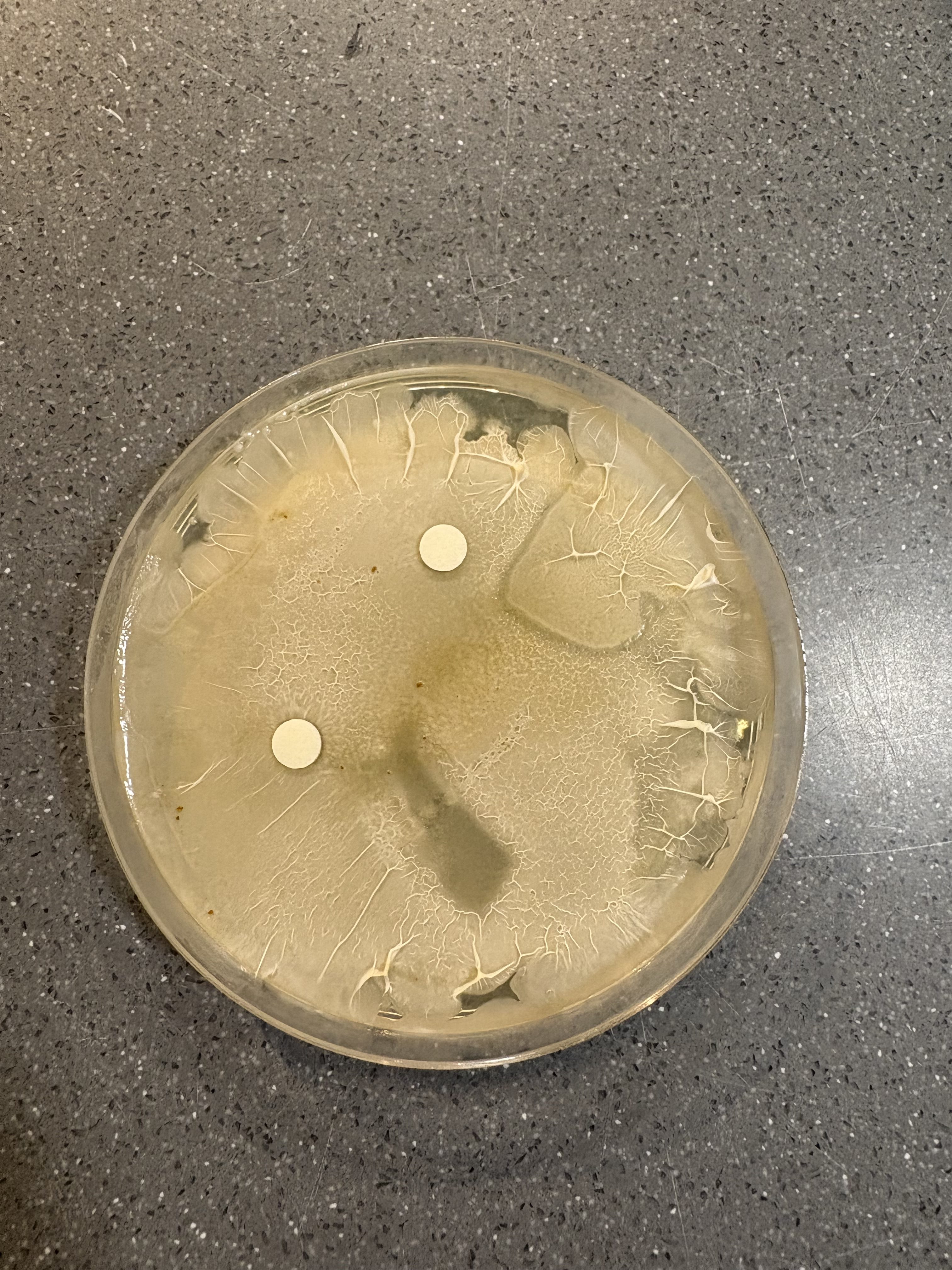
Figure 1: Turmeric + Yeast + H₂O₂ Discs (Trial 3)
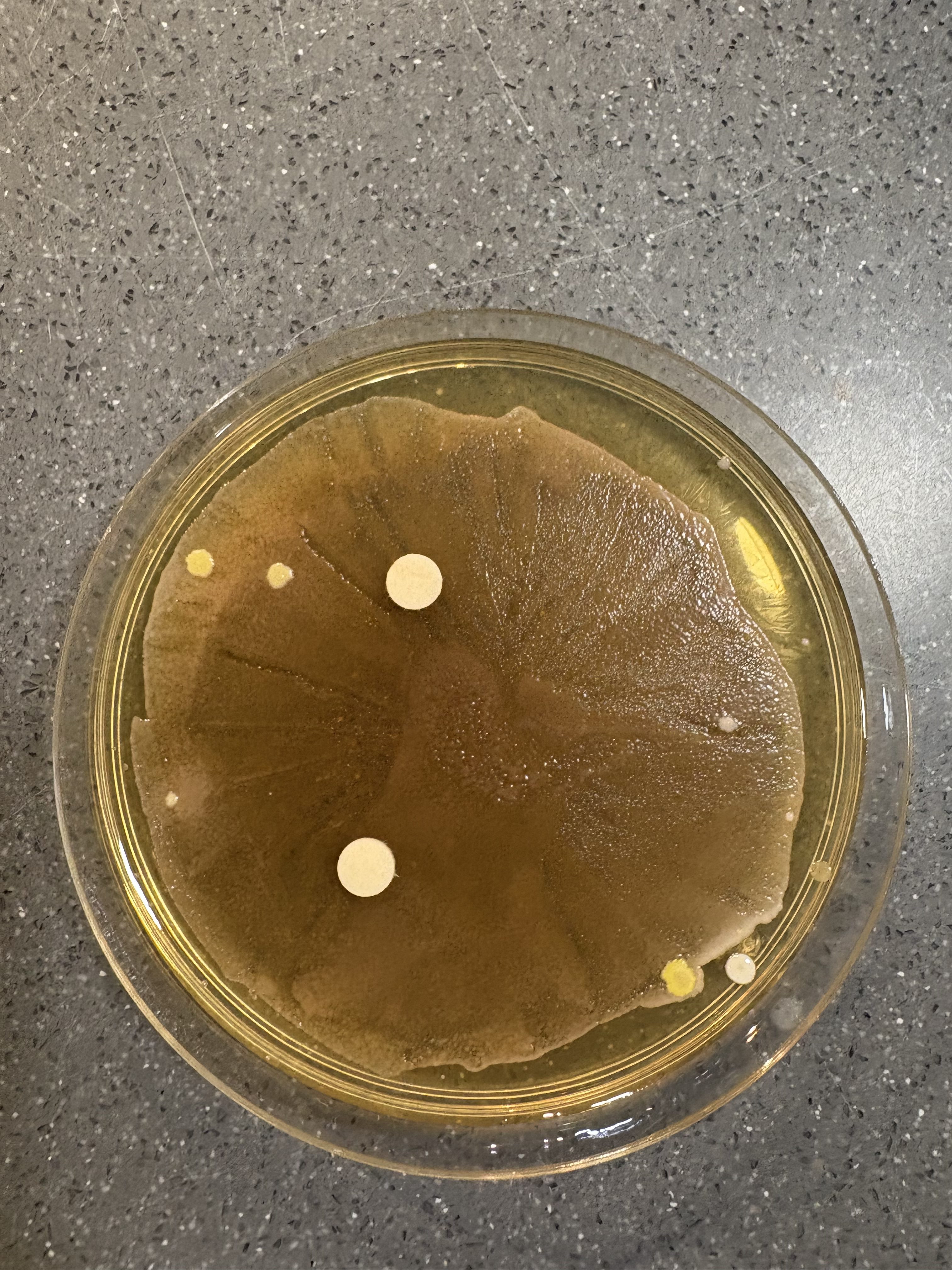
Figure 2: Green Tea + Yeast + H₂O₂ Discs (Trial 3)
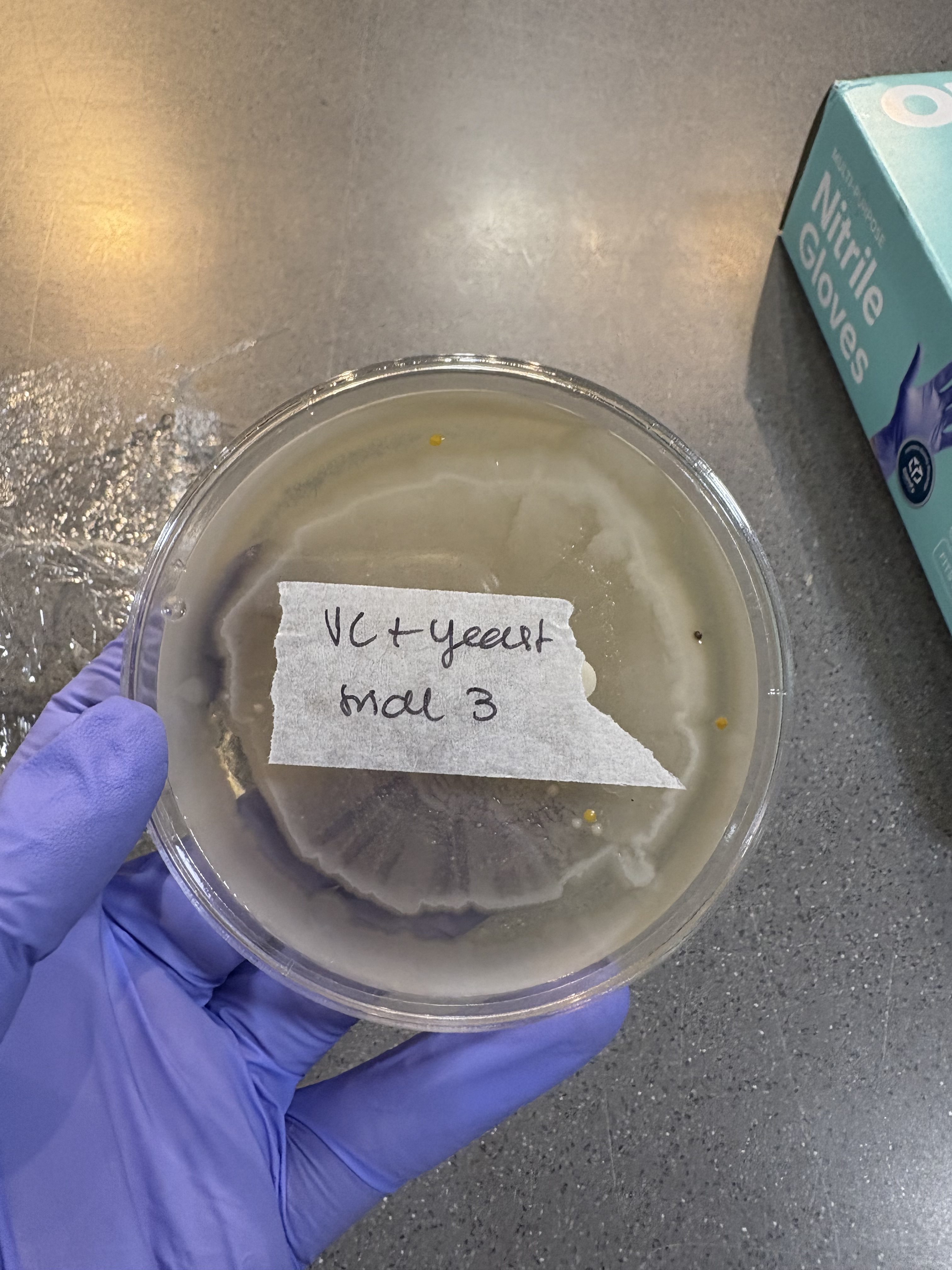
Figure 3: Vitamin C + Yeast + H₂O₂ Discs (Trial 3)
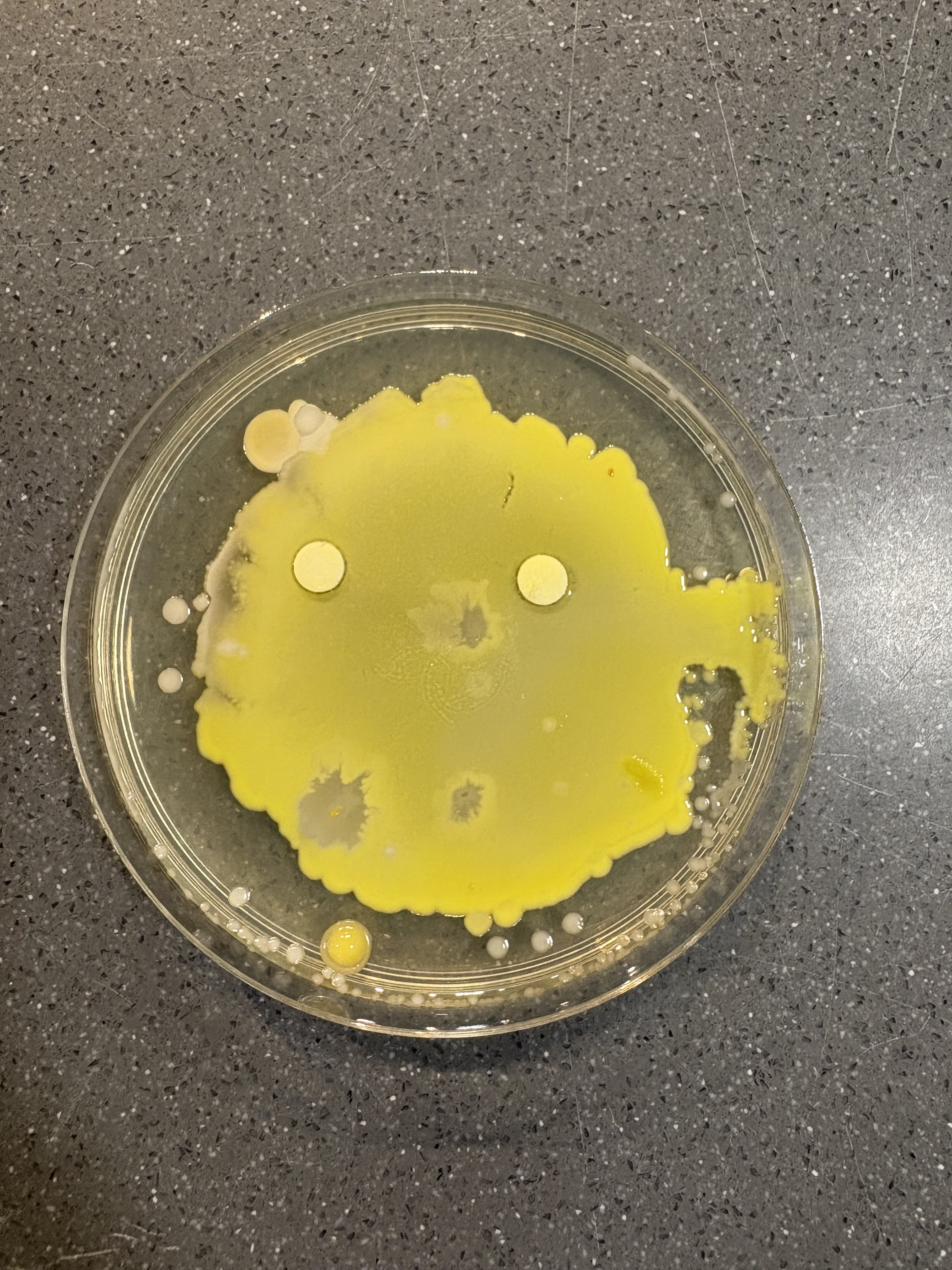
Figure 4: Yeast + H₂O₂ Discs (Trial 3)
Limitations
The null results obtained in this experiment indicate that the hypothesis was not supported. Several experimental limitations and sources of error may explain the discrepancy between expected and observed outcomes.
One major source of error may have been the low concentration of H₂O₂ used. Hydrogen peroxide induces oxidative stress by generating reactive oxygen species (ROS), which can damage cellular components such as proteins, lipids, and DNA. However, if the concentration is too low, yeast cells can effectively neutralize ROS using endogenous antioxidant systems such as catalase and superoxide dismutase (Costa & Moradas-Ferreira, 2001). As a result, the treatment may not have been strong enough to cause measurable cell death, leading to the observed null results.
Another potential issue is insufficient sterilization of equipment or contamination. If bacterial contamination occurred during the experiment, it could have interfered with yeast growth or skewed cell counts. One contaminant in particular that may have been found was Micrococcus luteus in Image 3. Although it has not been tested, it is suspected to have grown in the control group on the third trial. Earlier trials are suspected to have dead yeast, hence the initial failure. Contaminants may compete for nutrients or produce their own metabolic by-products, introducing variability and reducing the reliability of the results (Madigan et al., 2018). Proper aseptic techniques are critical in microbiological experiments to ensure that only the intended organism is being studied.
Additionally, a lack of variation in treatment ratios may have limited the experiment’s ability to detect meaningful effects. Only a single concentration of antioxidant extracts and H₂O₂ was tested. Since antioxidant protection is dose-dependent, testing multiple concentrations would have enabled identification of a threshold at which protective or inhibitory effects occur (Ma et al., 2022). Without a range of conditions, it is difficult to determine whether the null results reflect a true absence of effect or simply suboptimal experimental parameters.
Furthermore, the use of crude extracts introduces variability because they contain mixtures of compounds with varying solubilities and bioactivities. The actual concentration of active antioxidant molecules may have been lower than expected, reducing their overall effectiveness.
Recommendations for Future Research
This experiment highlights several important considerations for future investigations into oxidative stress and antioxidant effects in yeast models.
First, the concentration of H₂O₂ should be carefully optimized. The absence of any observable decrease in yeast viability suggests that the oxidative stress applied may have been below the threshold required to induce measurable cellular damage. Future experiments should include a range of H₂O₂ concentrations to establish a clear dose–response relationship and identify the minimum concentration required to significantly impact cell survival.
Second, antioxidant treatments should be tested across multiple concentrations rather than a single high dose. Although high mass-to-volume ratios were used in this study to maximize antioxidant availability, antioxidant effects are often non-linear and dose-dependent. Testing a gradient of concentrations would allow future researchers to determine whether a threshold or optimal protective range exists, rather than assuming higher concentrations will produce stronger effects.
Third, stricter aseptic techniques must be implemented to reduce the risk of contamination. The suspected presence of Micrococcus luteus in one of the trials suggests that microbial contamination may have influenced the results. Future experimenters should ensure proper sterilization of all equipment, work in controlled environments where possible, and include contamination controls to verify culture purity.
Additionally, the use of crude extracts introduces variability due to inconsistent concentrations of active compounds. Future studies should consider using purified antioxidant compounds or standardized extracts to ensure more accurate and reproducible dosing. This would improve the reliability of results and allow for clearer comparisons between treatments.
Finally, increasing replication and incorporating quantitative measurement techniques (such as spectrophotometry or colony-forming unit counts) would improve data accuracy and sensitivity. More precise measurement methods may detect subtle effects that were not observable through qualitative or visual assessment alone.
By addressing these limitations, future researchers can improve experimental design and more effectively evaluate the relationship between oxidative stress and antioxidant protection in yeast systems.
References
Moudi, M., Go, R., Yong, C., & Mohd Nazre. (2013). Vinca Alkaloids. International Journal of Preventive Medicine, 4(11), 1231. https://pmc.ncbi.nlm.nih.gov/articles/PMC3883245/
Silchenmyer, J. W., Von Huff, D. D., (1991). Taxol: a new and effective anti-cancer drug. Anti-Cancer Drugs, 2(6). https://pubmed.ncbi.nlm.nih.gov/1687206/
Wang, H., Khor, T. O., Shu, L., Su, Z.-Y., Fuentes, F., Lee, J.-H., & Kong, A.-N. T. (2014). Plants vs. cancer: a review on natural phytochemicals in preventing and treating cancers and their druggability. Anti-Cancer Agents in Medicinal Chemistry, 12(10), 1281–1305. https://doi.org/10.2174/187152012803833026
Gęgotek, A., Skryzdlewska, E,. (2022) Antioxidative and Anti-Inflammatory Activity of Ascorbic Acid. Antioxidants 11(10), 1993 https://pmc.ncbi.nlm.nih.gov/articles/PMC9598715/
Villagran, M., Ferreira, J., Martorell, M., & Mardones, L. (2021). The Role of Vitamin C in Cancer Prevention and Therapy: A Literature Review. Antioxidants, 10(12), 1894. https://doi.org/10.3390/antiox10121894
Pray, L. (2008). Yeast as a Model Organism for Studying Cancer | Learn Science at Scitable. Nature.com. https://www.nature.com/scitable/topicpage/l-h-hartwell-s-yeast-a-model-808/
Green Tea Polyphenols Precondition against Cell Death Induced by Oxygen-Glucose Deprivation via Stimulation of Laminin Receptor, Generation of Reactive Oxygen Species, and Activation of Protein Kinase Cϵ https://www.jbc.org/article/S0021-9258(20)62800-9/fulltext
Guaiquil H. V., Vera C. J., Golde W. David, (2001) Mechanism of Vitamin C Inhibition of Cell Death Induced by Oxidative Stress in Glutathione-depleted HL-60 Cells. Journal of Biological Chemistry, 276(44), 40955—40961. https://www.sciencedirect.com/science/article/pii/S0021925820779457#
Sathyabhama M, Priya Dharshini LC, Karthikeyan A, Kalaiselvi S, Min T. The Credible Role of Curcumin in Oxidative Stress-Mediated Mitochondrial Dysfunction in Mammals. Biomolecules. 2022 Oct 1;12(10):1405. doi: 10.3390/biom12101405. PMID: 36291614; PMCID: PMC9599178.
Wu, M., Shan, W., Zhao, G. P., & Lyu, L. D. (2022). H2O2 concentration-dependent kinetics of gene expression: linking the intensity of oxidative stress and mycobacterial physiological adaptation. Emerging Microbes & Infections, 11(1), 573–584. https://doi.org/10.1080/22221751.2022.2034484