Janee Olivia Yeak — Year 2, Applied Science
Abstract
Music has been long shaped by water, from early hydraulic instruments to modern installations that transform the falling rain into sound. Inspired by such works, this design project explores the creation of a rain-powered instrument that uses raindrop impacts to strike resonating bars. Four xylophone-like prototypes were constructed using aluminum bars, fixed at their vibration nodes on 3D printed frames, with testing focused on varying bar sizes and configurations, evaluating sound production from water droplet impacts. Results were qualitative and demonstrated that multiple prototypes could produce audible sound. Sound amplification and quality were closely tied to bar dimensions and rigidity. However, clear pitch differences were only noticeable at greater drop heights, while narrower bars failed to produce a distinct tone. In conclusion, all prototypes were able to showcase the soothing tonal qualities of water-based instruments in a cost-effective manner. Further work is recommended for effective sound amplification and energy capture.
Introduction
Music is the intentional manipulation and organization of sound waves into structured melodies (Hanna, 2025). Across centuries and cultures, music has been repeatedly influenced, shaped, and inspired by the recurring theme of water. For example, Georg Haendel’s Water Music was performed on the river, while other composers mimicked the tonality and phenomenon of water (Piotrowska, 2013). Early examples of water instruments include the hydraulis, invented by Ktesivius in Classical Alexandria, an instrument that used water to regulate air pressure supplied to pipes (Valipour et al., 2020). During the Renaissance period, the hydraulic organ at Tivoli utilized flowing water in their pipe systems to produce music. More recent installations include wave organs, like Zadar’s Seashore Organ, which uses ocean waves to force air through a system of pipes, using air and water pressure to create music.
Recent explorations into water-powered instruments seek to harness the power of raindrops. While raindrops vary significantly in size and terminal velocity, “typical” raindrops are approximately 2 mm in diameter (Barani, n.d.; Raindrop Size, Shape, Volume and Mass Web Calculator, n.d.), and have a terminal velocity of 9 m/s (Hathcox et al., n.d.). When a water droplet strikes a solid surface, its vibrations are dependent on the droplet’s size, velocity, and properties of the surface (Beacham et al., 2020). Previous research has identified a range of behaviors, including wetting, axisymmetric spreading, recoil, unstable lead edge spreading, and drop fragmentation on solid surfaces (Beacham et al., 2020).
The Kunsthofpassage Dresden, or Singing House was created by sculptor Annette Paul with designers Christoph Roßner and André Tempel as a public artwork. This installation transforms rainfall into a musical performance through an intricate network of funnels and gutters. When it rains, these transform and amplify the naturally irregular patterns of droplets into a unique melody (Valipour et al., 2020). This installation was the inspiration for this design project.
Vancouver, where the author is from, is infamously known as “Raincouver” for averaging 1134.2mm of rainfall per year (Total Precipitation…, n.d.). It experiences high volume rainfall from November to March, with the gloomy and wet weather making many feel mildly “depressed” during the winter. Studies suggest that 1% to 3% of the Canadian population (1 million people) struggle from Seasonal Affective Disorder (SAD), a significant clinical depression only during the winter and autumn months (Lam & Levitt, 2007). Additionally, up to 15% of people have “winter blues”, symptoms similar to but less severe than SAD (Lam & Levitt, 2007). To potentially combat these experiences, this project focused on building a rain-powered mini-instrument; using a xylophone-like system of aluminum bars that water droplet impacts would produce various sounds.
Materials and Methods
To experiment with the impact of falling raindrops, four different prototypes were created. Each resembled a xylophone and consisted of two parts, aluminum bars fixed at both ends by screwing onto a 3D printed frame. The impact of the water droplet was the only source of energy and the solid bar resonators were the only tuned element. Each bar vibrated at its natural resonant frequency, as given by the following equation.
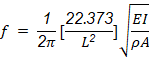
Equation 1: beam bending fundamental frequency of a fixed fixed beam (Irvine, 2012)
L is the free vibrating length of the beam
E is Young’s Modulus of Elasticity
I is the area moment of inertia
⍴ is the mass density
A is the cross-sectional area
Because the impact energy of water droplets is low, initial prototypes considered the sound amplification through sound boxes, or Helmholtz resonators. Preliminary prototypes were unsuccessful and the experiment proceeded with a focus on a xylophone inspired prototype without sound amplification.
The xylophone bars were cut with scissors, from a 12 x 12 x 0.019 inch sheet of aluminum (30.48cm by 30.48cm by 0.4826mm, from Home Depot) with a mill finish. The dimensions of the xylophone bars were calculated with the fundamental frequency formula, with targeted frequencies loosely based on piano frequencies. The frequency (f) of the nth key on a piano is given by the following equation:

Equation 2: the frequency of a piano key, in Hertz
The determining factors of a bar’s frequency were its length and thickness. Thickness being fixed, each bar varied in length. For a free bar vibrating in its fundamental mode, the vibration nodes are approximately 22.4% of the length from each end (Tone Bars – Physics, n.d.).
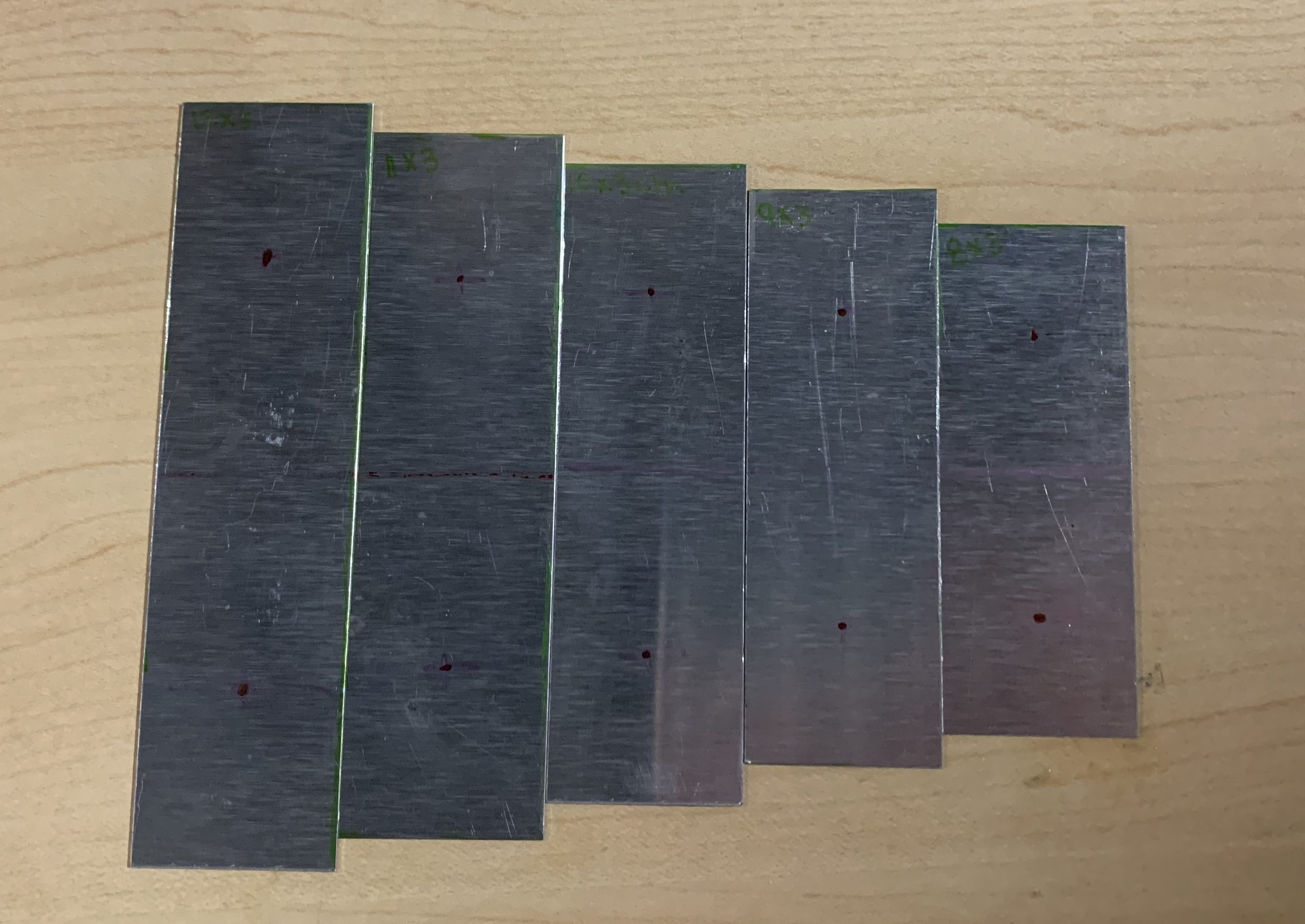
Figure 1: the five aluminum bars cut and marked before assembly, prototype 1
Meanwhile, the frame of each prototype was 3D printed on a X1Carbon Bambu Lab 3D printer, using PLA filament. Each frame was modeled in Autodesk Fusion 360 in millimetres. The holes were carefully positioned to make the bars centerline and were designed to accommodate 3mm diameter screws. Each bar was evenly spaced from each other, and the entire frame was designed to be symmetrical. The files were exported from Fusion 360 and then sliced in Bambu Studio for a print on a cool plate with default slicing settings. The metal bars were punctured at the 22.4% mark with a Stanley 69-122 awl, then screwed onto the frame using #2 x 1/4″ Phillips pan-head sheet metal screws.
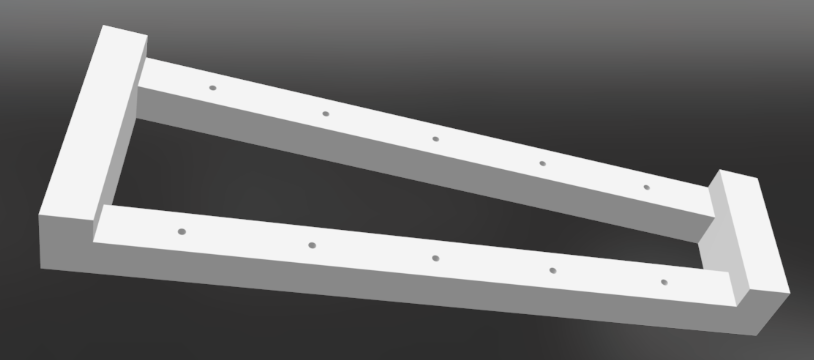
Figure 2: 3D rendering of the xylophone frame, prototype 1
All prototypes were tested by tapping first with a hard plastic mechanical pencil, since the higher impact force would produce a louder sound, to detect its frequency better, then tested with water droplets. Each prototype served different purposes; the first and largest 5-bar prototype was used for general concept testing. Figure 3 shows the testing set-up for prototype 1. The second and third prototypes experimented with single-bar and 3-bar xylophones on a smaller scale (Figure 4). The fourth prototype (Figure 5) experimented with a stacking frame design. Finally, each bar’s theoretical frequency was compared to its actual frequency, measured with an iPhone tuner app. The design details for each prototype are outlined in Table 1.
Table 1: Prototype information and bar dimensions

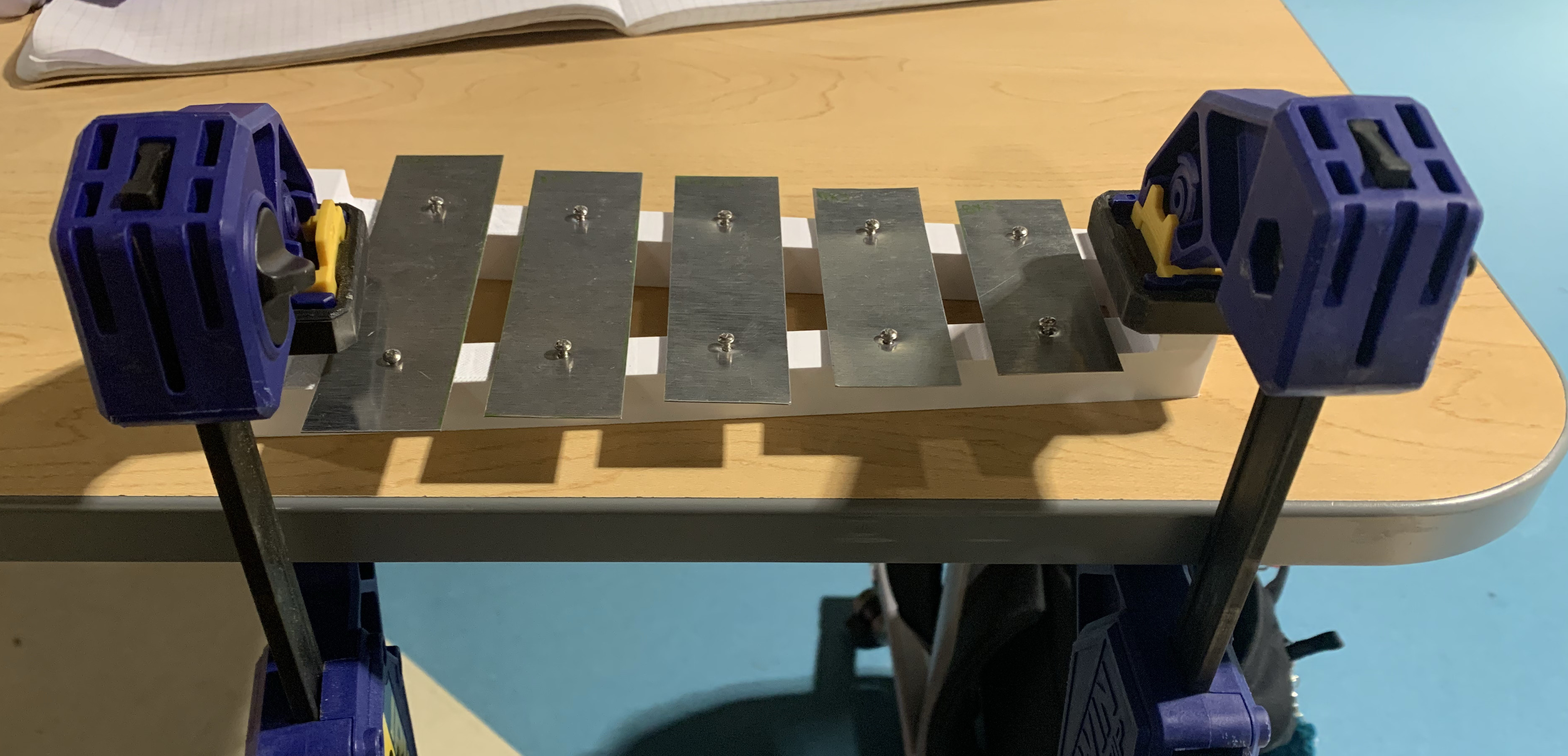
Figure 3: Testing setup for the prototype 1. Bar 1.1 is at the right side of the photo.
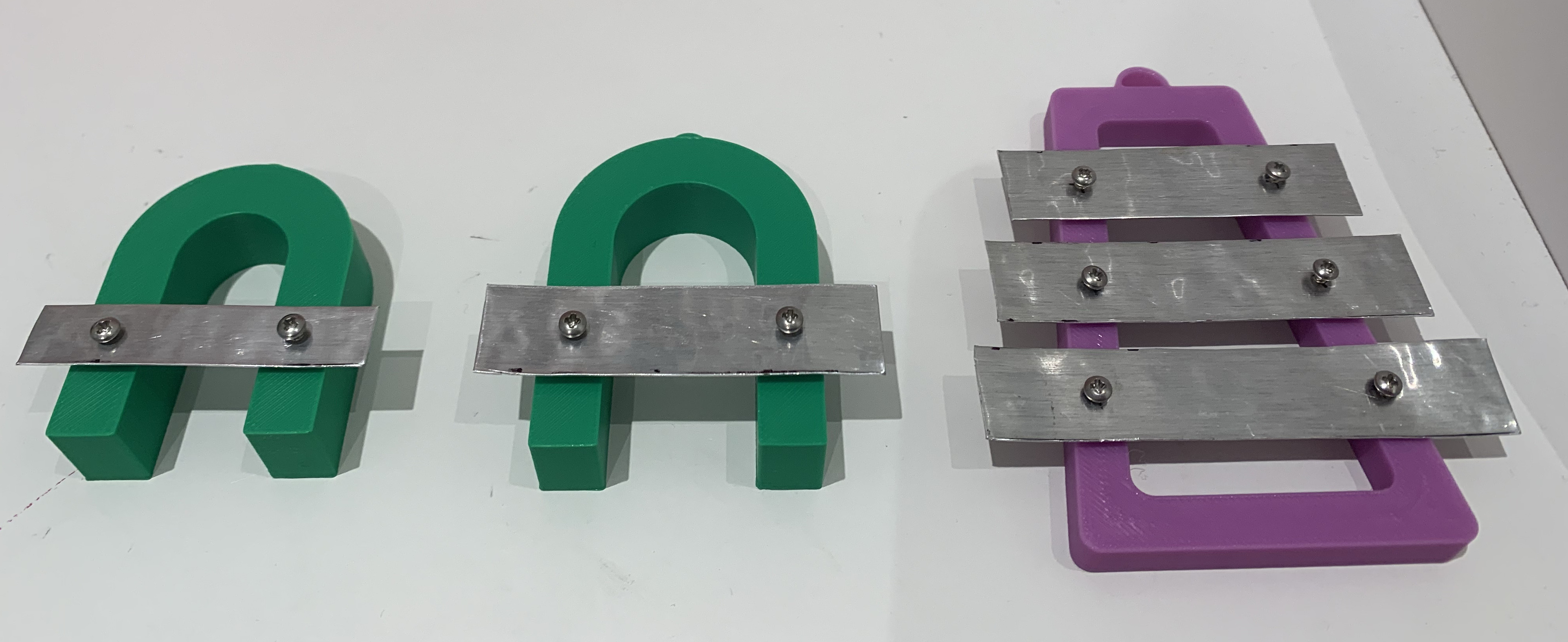
Figure 4: Prototypes 2a and 2b (right), and 3 (left)
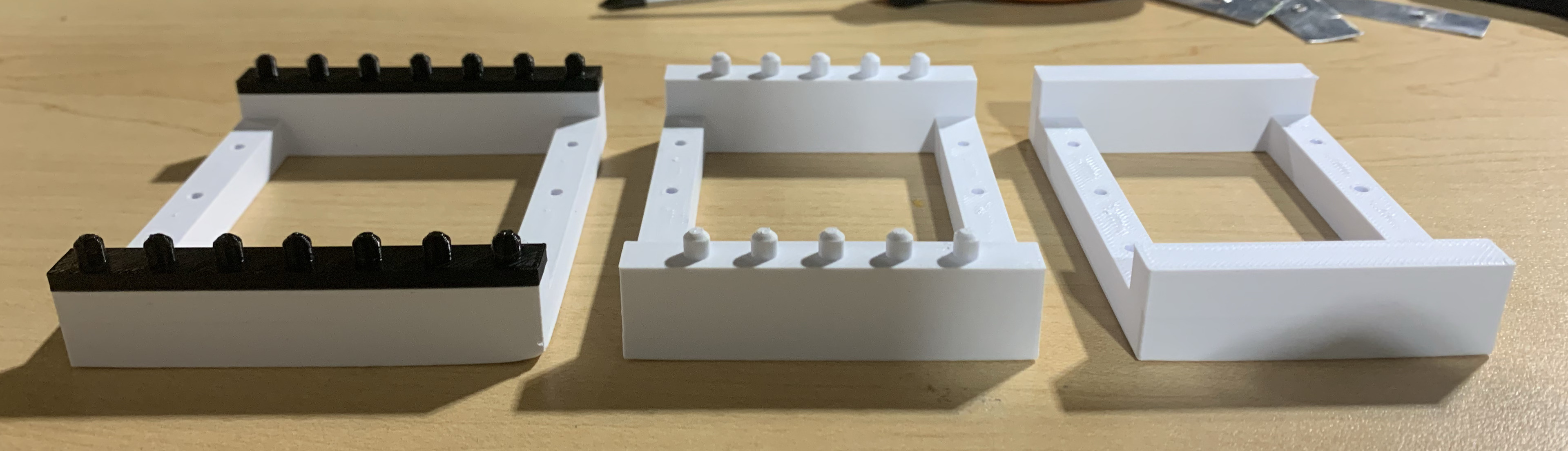
Figure 5: The frames of prototype 4, before assembly
The fourth prototype consisted of three separate stacking frames (Figure 6). The width of each bar, and the spacing between each bar was consistent across all frames, making the overall length of each frame the same. This allowed the frames to stack with the cylindrical studs on one piece fitting into the cavities on another piece. This was the only prototype whose frame was designed to accommodate more bars than were installed.
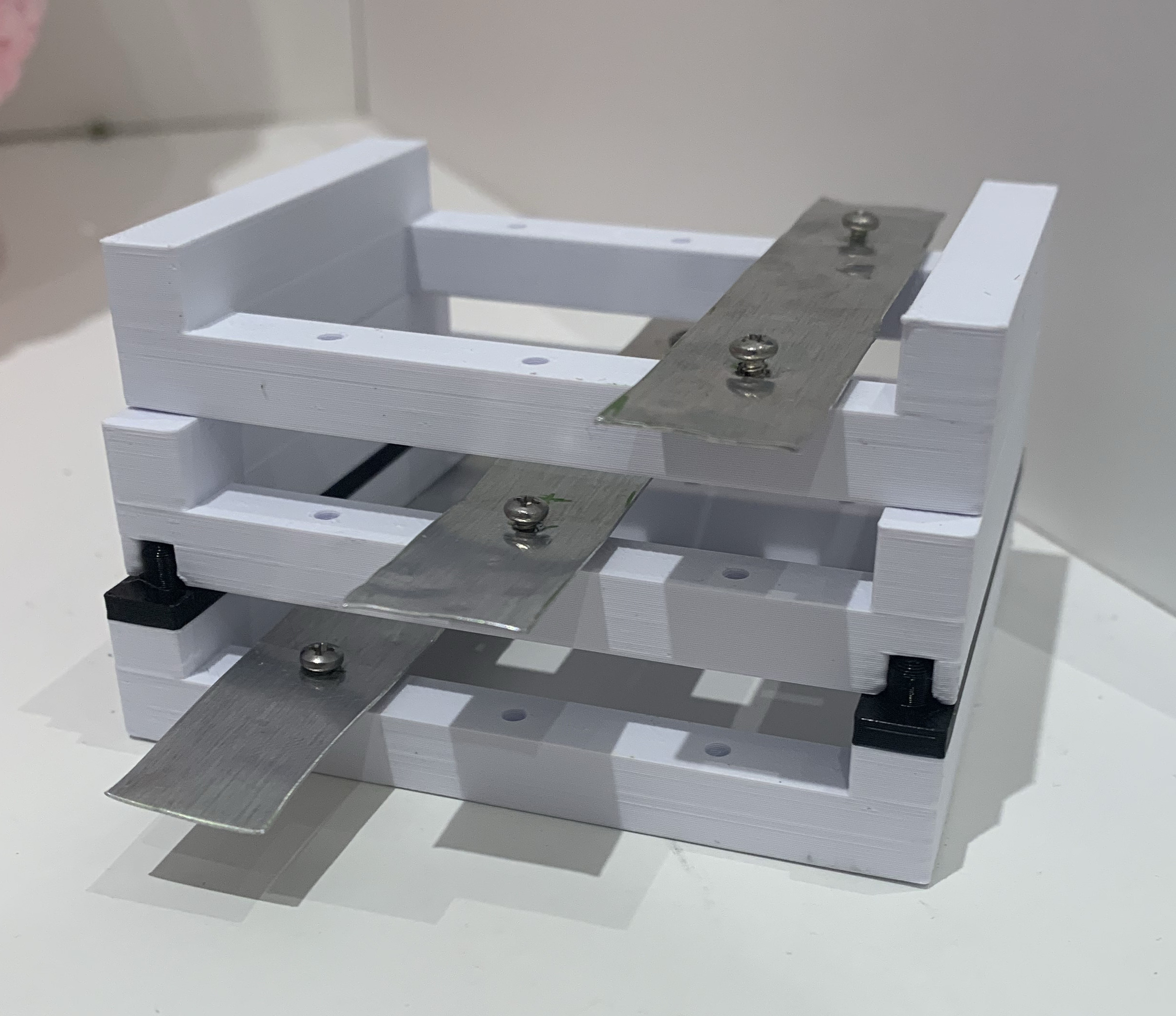
Figure 6: Prototype 4, assembled and stacked
Results
This design project encapsulated the design and assembly of multiple prototypes that were able to make sounds using water. The results of this design project were qualitative and dismissed any sounds that were not audible to the human ear.
Testing with Prototype 1:
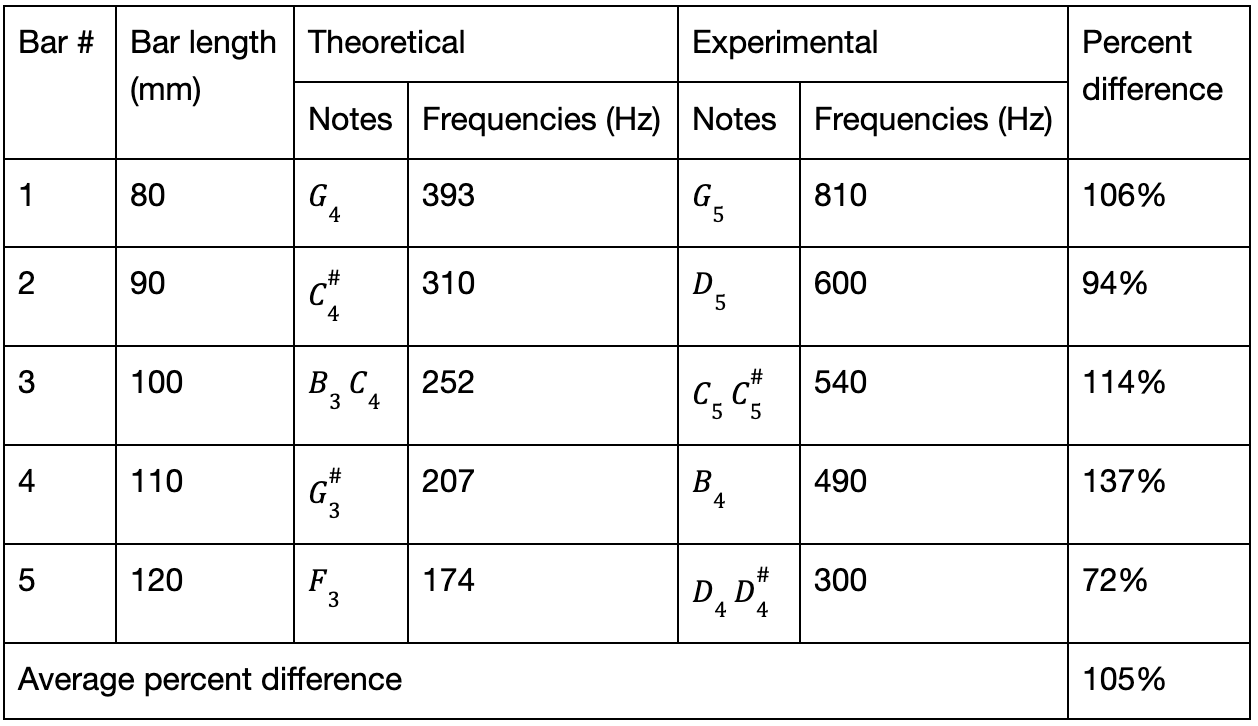
To test prototype 1, a mechanical pencil was used to generate a note that could be compared to the theoretical frequency of each bar. The bar’s actual frequency was difficult to isolate, but narrowing it down to a specific note or two was much easier. Depending on where the bars were hit (the middle of the bar compared to the edge of the bar), the note might slightly vary within the range of two notes. Attempts were made to accurately measure each bar’s frequency, but results from an iPhone pitch reader are inconclusive due to background noise data and general inconsistencies. As such, any following frequencies reported have been rounded to the tens place.
Theoretical frequencies were calculated per equation 1, while percent difference was calculated with the following equation:
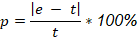
Equation 3: percent difference between theoretical and experimental values
where:
- p = percentage difference
- e = experimental value
- t = theoretical value
Table 2 compares the theoretical, experimental, and percent difference found during testing of prototype 1 while using a mechanical pencil. Experimental data is the average of all findings.
Table 2: Experimental data collected from prototype 1
When testing with water, a minimum drop height of 7cm was required to produce any audible sounds. This resulted in soft plunking, pattering sounds like raindrops falling on a soft metal surface. Up until drop heights of 10cm, there was no noticeable difference in tones from different bars to the human ear. At the 15cm drop height, the keys became more distinguishable.
From heights 30cm and higher, the notes continued to be more distinct, while maintaining their tonality and quietness. When many water droplets were released in succession, water pooling did not significantly change the volume of the sound, and if anything, only amplified it. Above this height, the sound’s volume had no noticeable variance.
Testing with prototypes 2a, 2b, 3 and 4:
Compared to prototype 1, the size of all other prototype bars was scaled down. During testing with the mechanical pencil, prototype 2a could not reliably produce any audible pitch. Prototypes 2b and 3 produced distinct notes of indistinguishable frequency. With prototype 4, it was difficult to isolate even a single note.
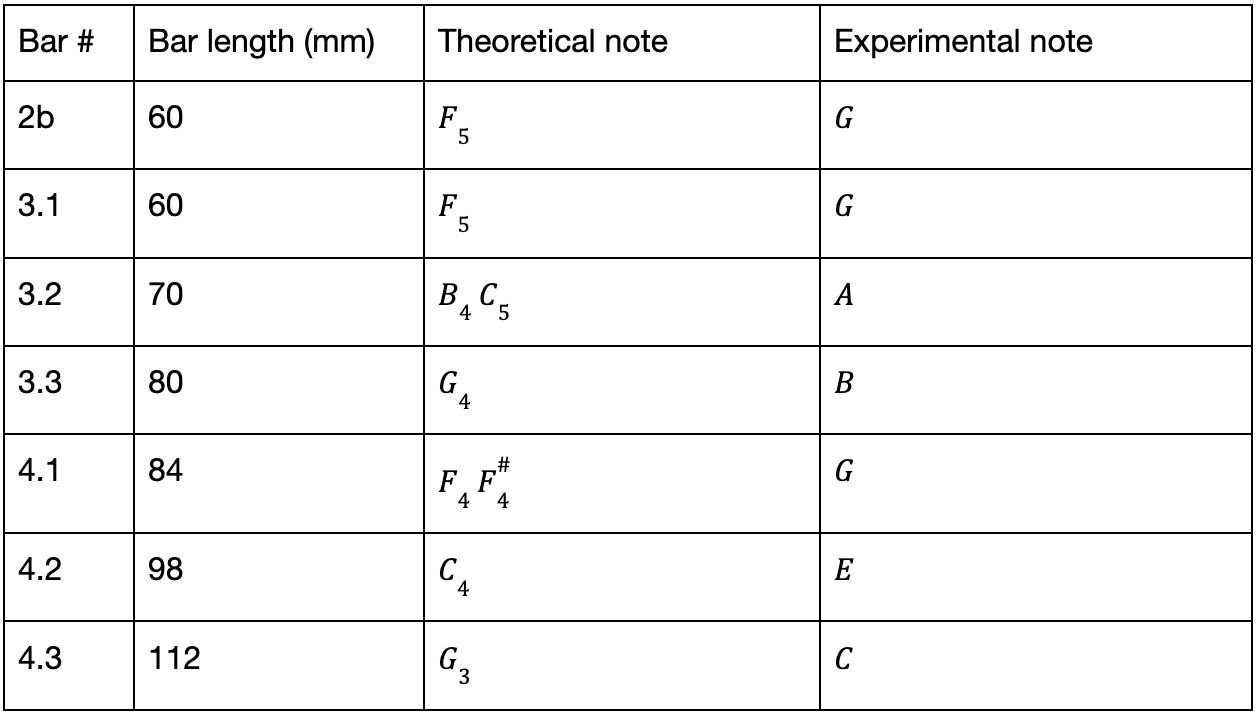
Notes could not be picked up or reliably measured by the microphone. Therefore, the data in this section only compares experimental and theoretical notes (Table 3), as observed through auditory perception. When testing with water for these prototypes, the pitches were indistinguishable.
Table 3: Experimental data collected from prototypes 2b, 3 and 4
Discussion
Across all prototypes, bars that were screwed tighter onto the frame had increased dampening and reduced resonance, while bars that were loosely screwed on resonated longer. Therefore, multiple attempts were made during testing to adjust and keep the bars loosely fixed to maximize resonance, which made it easier to isolate and identify the pitches produced. Overall, when testing with water, it was difficult to isolate any single note, but each bar was distinct from each other. The discrepancies between theoretical and experimental notes do not seem to follow any noticeable pattern (higher or lower pitch).
Prototype 1:
With prototype 1, unless the frame was clamped onto the testing surface, there was no discernible variation in pitch. This was only observed in the first prototype. Each note was roughly an octave higher than its theoretical calculated range. This suggests that these bars were vibrating in a higher mode than their fundamental frequency.
The experimental and theoretical notes of bars 1 and 2 were relatively consistent with each other (Table 2). However, deviations between theoretical and experimental notes increased for lower-frequency bars. This may be due to the smaller absolute differences in frequency between adjacent notes in lower registers, making accurate pitch identification more difficult. As a result, small measurement errors or background noise could lead to larger apparent discrepancies. Future modifications to prototype 1 and implementations should target a higher octave register where larger frequency spacing between notes allows for a greater error margin.
Prototype 2 & 3:
Prototypes 2 and 3 were challenged to make specific notes during experimentation. Note identification was difficult, which may have been a result of the change in size of the bars. Specifically, the smaller bars produced sounds of lower amplitude, likely due to reduced vibration. This suggests that the creation of keychains that follow this xylophone-like structure is not viable as a larger format instrument such as prototype 1.
Prototype 4:
The notes made by tapping on prototype 4 were even more difficult to distinguish from each other. When a single bar was struck with a mechanical pencil, multiple frequencies were heard. It is suspected that the stacking structure of prototype 4 allowed a single impact to propagate through the entire structure, causing multiple vibrations. The resulting interference between bars likely accounts for the large discrepancies between the theoretical notes and experimental notes (Table 3).
Limitations:
There were several limitations encountered during this experimental design. Firstly, limited measurement precision and background noise prevented effective or precise frequency data collection. Proper volume and pitch analysis, perhaps with the use of a decibel meter, would have been helpful as well as testing of the prototypes in the rain. Secondly, the prototypes were inconsistently assembled. Specifically, some frames experienced warping during the 3D printing process and the pliable metal bars were often bent then manually reshaped during prototype assembly. During data collection, repeated impacts on each bar most likely affected the curvature of the entire system.
The theoretical model used throughout this investigation assumed ideal fixed-fixed conditions. However, in practice, the bars were mounted using screws that likely did not achieve perfect rigidity, and the screws were loosened during testing as this was found to produce better sound quality. This would alter the bar vibrations. Since frequency is inversely proportional to the square of the length, small changes in length likely caused many discrepancies in observed frequencies. While all the dimensions of the bars were measured with an ordinary ruler, the bars of prototype 1 were precisely cut with a machine, whereas the other bars were cut with scissors. This likely contributed to the overall higher accuracy of prototype 1.
Conclusion:
These prototypes demonstrated that water droplets can produce distinct tones, which invites further experimentation and incorporation into contemporary instruments and music. However, sound amplitude was consistently low, therefore sound amplification without pitch distortion remains a significant challenge for future design iterations. While these are problems for a keychain-sized instrument, they should not pose a problem for larger instruments or art installations, which can effectively channel greater amounts of rainwater.
While frequency discrepancies were observed across all prototypes, smaller bars produced more predictable results. Future designs should target higher pitch ranges, where larger frequency spacing allows for a larger margin for error.
Despite bar width not affecting theoretical frequency, it did affect practical resonance and vibration of the bars themselves. Further work should look into the effect of width on bar resonance. Additionally, using a less pliable metal could minimize the amount of warping, while further experiments should identify the optimal striking position or compare different points of impact. Regardless, the author hopes that this project would inspire more public installations and alleviate seasonal depression as raindrops and water continue to inspire contemporary modern music interpretation and instruments.
References
Barani, J. (n.d.). Rain drop size and speed of a falling rain drop. BARANI Design Technologies. https://www.baranidesign.com/faq-articles/2020/1/19/rain-drop-size-and-speed-of-a-falling-rain-drop
Beacham, S. T., Tilger, C. F., & Oehlschlaeger, M. A. (2020). Sound generation by water drop impact on surfaces. Experimental Thermal and Fluid Science, 117, 110138. https://doi.org/10.1016/j.expthermflusci.2020.110138
Ead, H. A. (2024). Exploring the intersection of science and music through ancient civilizations to the present. Athens Journal of History, 10(10), 1–22. https://doi.org/10.30958/ajhis.X-Y-Z
Ge, H., & Krpan, R. (n.d.). Wind-driven rain study in the coastal climate of British Columbia: Final report. BC Housing. https://www.bchousing.org/publications/Wind-Driven-Rain-Study-BC.pdf
Godt, I. (2005). Music: A practical definition. The Musical Times, 146(1890), 83–88. https://doi.org/10.2307/30044071
Hanna, J. (2025, July 31). What is sound. PASCO Scientific. https://www.pasco.com/resources/articles/sound-waves
Hathcox, K., Marsch, G., & Ward, D. (n.d.). What is the speed of falling raindrops? Union University. https://www.uu.edu/dept/physics/scienceguys/2001Mar.cfm
Irvine, T. (2012). Bending frequencies of beams, rods, and pipes (Revision S).https://www.vibrationdata.com/tutorials2/beam.pdf
Lam, R. W., & Levitt, A. J. (2007). Evidence-based management of seasonal affective disorder (SAD): Clinician resource package. https://med-fom-ubcsad.sites.olt.ubc.ca/files/2020/06/SAD-Clinician-Resource-Package-2007.pdf
Piotrowska, A. G. (2013). Water music, music on water or water in music? A short outline of the meaning of water for musical culture. Jagiellonian University Repository. https://doi.org/10.58698/stm-sjm.v90.34186
Raindrop size, shape, volume and mass web calculator. (n.d.). Wind101.net. https://www.wind101.net/raindrop/
Kvifte, T. (2008). What is a musical instrument? Svensk tidskrift för musikforskning, 90, 45–56. https://publicera.kb.se/stm-sjm/article/view/34186
Tone Bars – Physics. (n.d.). Case Western Reserve University. https://physics.case.edu/about/history/antique-physics-instruments/tone-bars-2/
Total precipitation – annual data for Vancouver. (n.d.). WeatherStats. https://vancouver.weatherstats.ca/charts/precipitation-yearly.html
Valipour, M., Briscoe, R., Falletti, L., Juuti, P. S., Katko, T. S., Rajala, R. P., Kumar, R., Khan, S., Chnaraki, M., & Angelakis, A. (2020). Water-driven music technologies through centuries. J, 4(1), 1–21. https://doi.org/10.3390/j4010001