Cindy Liang – Life Science, Year 2
Abstract
Plastic is widely used in our everyday lives thanks to its strength, durability, and flexibility, but over time we have noticed that its production and disposal is harmful to the environment. Alternatives such as bioplastics, which are biodegradable plastics produced from renewable products, are being developed in an attempt to lessen the usage of petroleum-based plastics. However, bioplastics have limitations such as low water resistance and poor tensile strength, so additives such as glycerol, sorbitol, and citric acid are being researched. While citric acid’s effects on cornstarch-based bioplastics have been previously researched, its impact on bioplastics with other bases remains less studied. This project explored how citric acid affects the mechanical and physical properties of bioplastics with gelatin, agar, and cornstarch bases. Bioplastics of these three bases were formed with different ratios of citric acid additive, and were stretched using a force gauge to obtain their tensile strength. This project found that the tensile strength of the gelatin, agar, and cornstarch bioplastics decreased as the ratio of citric acid increased, with the strongest effect on gelatin and the weakest on cornstarch. On the other hand, citric acid seemed to improve the flexibility in all bioplastics tested. Collectively, the test results show that citric acid is inadequate at improving the tensile strength of bioplastics, but shows potential that citric acid combined with other additives can help to develop sustainable, eco-friendly plastic alternatives.
Introduction
Plastic is widely used to meet the needs of our day-to-day lives, ranging from clothes, household utilities, cars, medical equipment, and electronic devices. With its strength and durability, it has proved to be a very versatile and useful innovation, but we have realized over time that the production and disposal of plastic is harmful to the environment (Paul et al., 2021). According to Ritchie et al. (2023), around 460 million tonnes of plastic were produced in 2019, and of that, only 9% of the world’s plastic waste was recycled. As for the rest, 49% goes to landfills, 22% is mismanaged, and 19% is incinerated (Rhodes, 2018). This unprocessed plastic takes around 20-500 years to break down into smaller parts, never fully decomposing (United Nations, 2021). Seeing that this is a significant issue, many alternatives have been created and tested to replace or regulate petroleum-based plastics (Paul et al., 2021).
One of these alternatives is bioplastics, which are produced from natural or renewable sources and can be biodegradable or non-biodegradable (Carvalheira et al., 2022). Biodegradable bioplastics are made with materials that can originate from products of agricultural fields and kitchens (Paul et al., 2021), such as cornstarch, agar, and gelatin. These bioplastics take around three to six months to fully decompose, which is better for the environment, in comparison to traditional petroleum-based plastics which simply break down into smaller plastic particles (Serle, 2023).
However, bioplastics do have their weaknesses. Starch-based plastics have poor mechanical and thermal properties as well as low water resistance (Safitri et al., 2022). The tensile strength of various petroleum-based plastics ranges from 15 – 150 MPa and averages around 70 MPa (“Tensile Property,” n.d.). In comparison, bioplastics made from various types of starch with glycerol plasticizer and without filler have a tensile strength range of 0.22 – 18.49 MPa (Gabriel et al., 2021). Plasticizers are a material that can be added to plastics and bioplastics to increase their shelf life and elasticity, and fillers are a material used to increase the tensile strength and viscosity properties of the starch bioplastic (Moody & Needles, 2004; Safitri et al., 2022). Without the plasticizers, the amylose and amylopectin in starch form a brittle and stiff bioplastic film (Gabriel et al., 2021; Safitri et al., 2022). This data illustrates that bioplastics can sustain a lot less stress than petroleum-based plastics. This is an issue because it limits how versatile bioplastics can be for replacing plastics, as they cannot be used to create items that are subjected to high stress.
With the discovery of this issue, a lot of research has been done to find additives that can increase the tensile strength of these bioplastics (Hu et al., 2013; Novianti et al., 2019; Gabriel et al., 2021; Safitri et al., 2022). Safitri et al. (2022) tested a variety of additives in starch-based bioplastics, which were either plasticizers or fillers. When these plasticizers were added to starch-based plastics, the water content in the bioplastic increased, leading to increased flexibility in the plastic and a greater tensile strength. However, the type and concentration of plasticizer can have a significant impact on the tensile strength of the bioplastic (Safitri et al., 2022). The plasticizers researched by Safitri et al. (2022) were glycerol and sorbitol, the most common plasticizers for starch films, due to their compatibility with amylose, a molecule found in the starch compound (Clifton & Keogh, 2016). These plasticizers promote tensile properties by “interfering with amylose packing, reducing hydrogen interactions between starch molecules, and disrupting starch cohesiveness” (Safitri et al., 2022). Both of these plasticizers were tested in quantities of 30%, 40%, 50%, and 60%. Safitri et al. (2022) concluded that the maximum tensile strength of the bioplastic was obtained at a 30% addition of the plasticizer, and increasing the concentration beyond 30% reduces its tensile strength. In addition, it is noted that glycerol is the most widely used plasticizer because it interacts best with various types of starches in plastic, with or without fillers (Safitri et al., 2022). Meanwhile, sorbitol as a plasticizer for bioplastics is very dependent on the starch’s characteristics (Gabriel et al., 2021).
The fillers researched by Safitri et al. (2022) were Carboxymethyl cellulose (CMC), chitosan, and clay. It was found that CMC increases viscosity by up to 50% and tensile strength by up to 37%, which improves the plastic’s film properties. The paper also noted that chitosan improves the water absorption, tensile strength, and flexibility of cornstarch-based plastics, and clay increases the tensile strength of plastic, though increasing the amount of clay will form lumps and reduce the tensile strength of the film. Safitri et al (2022) concluded that CMC as a filler at 45% yielded the highest tensile strength value.
Novianti et al. (2019) performed research specifically on the effects of glycerin on the tensile strength of cornstarch-based plastic. To make their bioplastic, cornstarch compositions of 20, 30, and 40 mg were used. Glycerin compositions of 1.5%, 2%, and 2.5% were mixed with 100mL of distilled water, then combined with the cornstarch. Novianti et al. (2019) tested the tensile strength of these bioplastics using a force gauge (pulling the plastic until it breaks) and concluded that the optimal solution was 0.5 ml glycerin and 4.72 g corn starch with a tensile strength of 17.18 MPa.
However, new research has been looking for alternative methods to improve the physical and mechanical properties of starch-based bioplastics. Sa’adah and Saepudin (2021) have found that starch bioplastics are fragile and have high moisture absorption, which is inadequate for usage as packaging material. One known way to improve these properties are to blend the starch with PVA or PLA. Though this method can increase the tensile strength of starch bioplastics, the bioplastic produced is still sensitive to moisture. A strategy proposed to improve this property is through the addition of acids (Sa’adah and Saepudin, 2021).
Sa’adah and Saepudin (2021) found that citric acid can be used for this purpose, as it can act as a plasticizer or a crosslinker depending on the concentration added. A crosslinker is an additive that links polymer chains through covalent or ionic bonds (Hanson & Wypych, 2019). The addition of citric acid can improve the swelling, solubility, biodegradability, tensile strength, and elongation percentage of starch bioplastics. Crosslinking is an approach to modifying starch that produces bioplastics with high strength and low water sensitivity, and it improves the thermal stability of the starch films (Hu et al., 2013; Sa’adah and Saepudin, 2021). Citric acid interacts with OH groups in the starch structure, so it improves water resistibility and tensile strength. Since citric acid can act as a plasticizer and crosslinker, it can generally be seen that crosslinkers will increase tensile strength, while plasticizers will reduce tensile strength (Sa’adah and Saepudin, 2021).
Sa’adah and Saepudin (2021) concluded that the optimum tensile strength is at 5% of citric acid and the lowest value is at 25% of citric acid. When the citric acid is at 5% concentration, it acts as a crosslinker and allows for more hydrogen bonds to be formed between starch molecules, resulting in an increase in tensile strength. When the concentration of citric acid is increased (more than 5%), the citric acid acts more as a plasticizer and reduces interactions between macromolecules, reducing the tensile strength and increasing its biodegradability (Shi et al., 2008; Ghanbarzadeh et al., 2011).
While there has been research done on the effects of glycerin on various types of bioplastics (especially cornstarch), as well as the effects citric acid has on starch-based plastics, to the authors knowledge, there has been no research done on the effects of citric acid on bioplastics with bases other than starch. In fact, most bioplastic research circulates around starch and PVA/PLA-based plastics (Hu et al., 2013; Gabriel et al., 2021; Gao et al., 2022), and gelatin or agar-based bioplastics are not as popular in comparison. However, gelatin and agar are common household products that can still be used to form bioplastics. This research aims to investigate how citric acid affects the mechanical and physical properties of bioplastics with various bases (cornstarch, agar, and gelatin). Citric acid will be added to batches of bioplastics in different amounts, and once formed, the bioplastics will be stretched to test its tensile strength. The data will then be compared to evaluate how it affects the plastic’s tensile strength.
Materials and Methods
The methods for preparing the control sample for gelatin, agar, and cornstarch bioplastics are based on recipes by Giestas (2021, 2022). However, it is noted that slight alterations were made for this experiment, notably the addition of citric acid.
Gelatin/Agar-Based Bioplastic:
A pot was filled with 100 mL of water and 1.73 ± 0.01 g of agar powder (Elo’s Premium Agar) and brought to a light simmer. For the gelatin groups, 2.05 ± 0.01 g of gelatin (Elo’s Premium) was added after simmering. The solutions were mixed until dissolved. Once dissolved, the solution was stirred for five minutes (gelatin) or 2.75 minutes (agar) at a light simmer. The solution was taken off the heat (gelatin), and for each group, anhydrous citric acid (Yogti) was added according to the volumes in Table 1, to prepare 1% and 2% v/v citric acid solutions, and mixed until dissolved. The agar groups were mixed on heat for 0.25 mins until dissolved. No citric acid was added in the control. Large bubbles in the mixture were skimmed off, and the mixture was poured onto flat stainless-steel plates (Haware) to cool at room temperature. Mixture was dried for three days, and then the formed bioplastic was peeled from the flat trays.
Cornstarch-Based Bioplastic:
In a bowl, 100 mL of water, 8.83 ± 0.01 g of cornstarch (Great Value), 9.5 ± 0.1 mL of white vinegar (no name), and 9.5 ± 0.1 mL of glycerin (Ward’s Science+) were added. Anhydrous citric acid (Yogti) was added in quantities of 0.93 ± 0.01 g (1% v/v citric acid) and 1.86 ± 0.01 g (2% v/v citric acid); no citric acid was added in the control. Ingredients were mixed together and placed on a double boiler, and the mixture was constantly stirred and cooked for five minutes. Mixture was poured onto flat stainless-steel plates (Haware) to cool at room temperature. Mixture was dried for eight days, and then the formed bioplastic was peeled from the flat trays.
Table 1: Quantities of Materials Used to Form Gelatin, Agar, and Cornstarch Bioplastics

Tensile Strength Testing
The thickness of the dried bioplastics was measured using a digital thickness gauge (JYEASTZ). The bioplastics were cut into a dog bone shape based on the design by Butt et al. (2019), altered to include a length of 160 ± 1 mm and a 40 ± 1 mm wide rectangular section at the ends (Figure 1). A length of 40 ± 1 mm at the center was cut down to 20 ± 1 mm wide, and the tapered sections on either side were 20 ± 1 mm long.

Figure 1: Dimensions of tensile strength testing dog-bone specimen.
The bioplastic was secured to the testing apparatus using double sided tape (Jot) wrapped on both ends, and each side was clamped tightly together by two pieces of flat wood. One end was the fixed end, where the wood pieces were clamped to the table using two 2” Heavy Duty C-Clamps (Tooltech). On the other end, two 3” T-plates were added to the top and bottom, secured using two pairs of nuts and bolts. A nut and bolt were added to the outstanding bottom of the T-plate. A digital force gauge (Soonkoda) was hooked onto the outstanding bolt, and the bioplastic was pulled horizontally until the plastic broke (Figure 2).
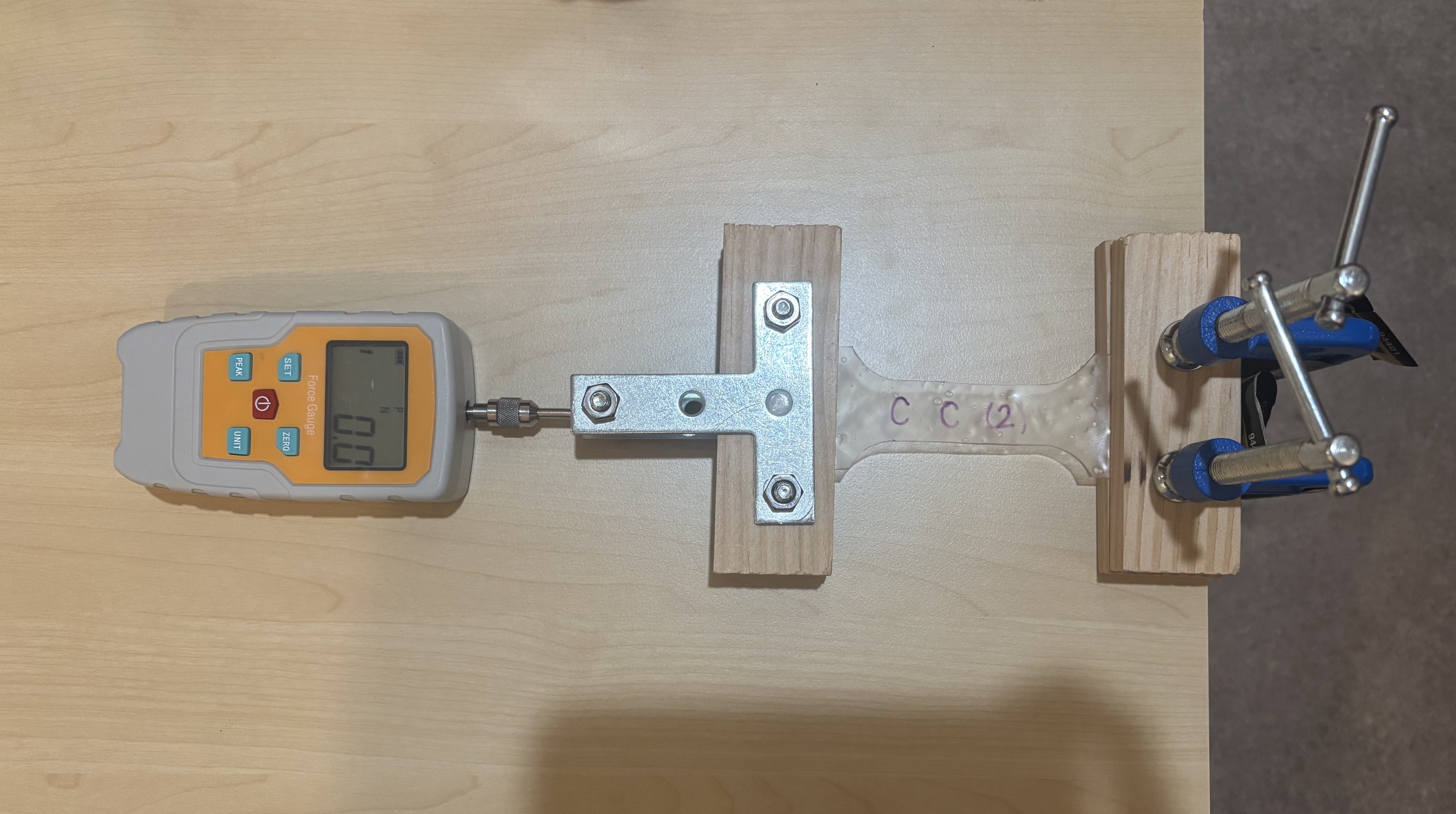
Figure 2: Apparatus for tensile strength testing.
The measured testing force was the peak reading of the force gauge. The tensile strength of the bioplastics was calculated using the following formula:

Results
Each data point for width, thickness, and force shown in Table 2 is the average measurements of four trials of testing. Each type of bioplastic (control, 1% citric acid, and 2% citric acid) was created in two batches, each of which yielded two trials. For every trial, the width and thickness were measured three times in different locations.
Table 2: Mean Width, Thickness, Force, and Tensile Strength of Gelatin, Agar, and Cornstarch-Based Bioplastics

The calculated tensile strengths of each type of bioplastic are listed in Table 2. The control batches had the highest average tensile strengths at 47.3 MPa, 34.4 MPa, and 0.51 MPa, while the 2% v/v citric acid batches had the lowest tensile strengths at 12.8 MPa, 15.0 MPa, and 0.39 MPa for gelatin, agar, and cornstarch respectively. Collectively, these results suggest that the tensile strength of the gelatin, agar, and cornstarch bioplastics decreased as the ratio of citric acid increased (see Figure 3).

Figure 3: Mean Tensile Strength of Gelatin, Agar, and Cornstarch-Based Bioplastics
The decrease in tensile strength for each type of base compared to the control is calculated and shown in Table 3. The tensile strength of gelatin-based bioplastics with 2% v/v citric acid declined by up to 73.0% compared to the control, while agar and cornstarch-based bioplastics declined by up to 56.4% and 23.6% respectively. When comparing the total tensile strength decrease in percentage, citric acid had the greatest impact on the gelatin-based bioplastics, while it had the least impact on the cornstarch-based bioplastics.
Table 3: Percentage Decrease in Tensile Strength of Gelatin, Agar, and Cornstarch-Based Bioplastics

Discussion
The experiment results indicated that the control batches had the highest average tensile strengths while the 2% v/v citric acid batches had the lowest tensile strengths for all gelatin, agar, and cornstarch-based bioplastics. This suggests that the tensile strength of all the bioplastics decreased as the ratio of citric acid increased. Moreover, the citric acid had the greatest effect on the gelatin-based bioplastics, while it had the least effect on the cornstarch-based bioplastics.
Since the controls of all the bioplastics had the highest tensile strength, they were compared to that of petroleum-based plastics and previous research done on bioplastics. The tensile strength of various petroleum-based plastics ranges from 15 – 150 MPa and averages around 70 MPa (“Tensile Property,” n.d.). In this experiment, the gelatin and agar-based bioplastics have a comparable tensile strength at 47.3 MPa and 34.4 MPa respectively, which is about half of the average tensile strength for petroleum-based plastics. However, the tensile strength of the cornstarch-based bioplastic is well below the lower bound of the petroleum plastic range.
Gabriel et al. (2021) made bioplastics from various types of starch with glycerol plasticizer, producing a tensile strength range of 0.22 – 18.49 MPa. Similarly, Novianti et al. (2019) concluded that a solution of 0.5 ml glycerin and 4.72 g cornstarch gave an optimal tensile strength of 17.18 MPa. The current experiment resulted in both gelatin and agar-based bioplastics with greater tensile strengths than the strength range given by Gabriel et al. (2021). In contrast, the tensile strength of the cornstarch-based bioplastic (0.5 MPa) sits near the lower bound of the range.
Sa’adah and Saepudin (2021) concluded that the optimum tensile strength for Starch/PLA/PVA bioplastic films is 9.4 MPa with 5% citric acid added. Although the tensile strength of the cornstarch-based bioplastic in this experiment is lower than values shown in Sa’adah and Saepudin (2021), the tensile strength of the gelatin and agar-based bioplastics are higher.
This project reveals that adding citric acid to a purely cornstarch-based bioplastic (in 1% and 2% quantities) decreases its tensile strength. Comparing these results to Sa’adah and Saepudin (2021), they concluded that for a cornstarch/PVA-based bioplastic the optimum tensile strength is at 5% of citric acid and the lowest value is at 25% of citric acid. The difference in results seems to be caused by the addition of PVA to the bioplastic in Sa’adah and Saepudin’s report (2021). PVA is a biodegradable synthetic polymer which has a high tensile strength and can increase the shelf life of bioplastics (Sa’adah and Saepudin, 2021). Due to its high tensile strength, blending PVA into cornstarch increases the resulting bioplastic’s tensile strength by 69.15% (Hu et al., 2013). Not only that, but citric acid can be added to PVA as a crosslinker to improve its water resistance by forming ester bonds, and extra carboxyl groups on citric acid can have strong hydrogen bonding towards the unreacted hydroxyl groups on PVA (He et al., 2023). The blend of PVA and cornstarch used by Sa’adah and Saepudin (2021) to form the bioplastics can form stronger bonds with the addition of citric acid because of these elements, which can lead to an increase in tensile strength.
Throughout the initial recipe testing phase for the bioplastics, several issues regarding the formulation of the bioplastics were noted. Five rounds of trials were done, and each had issues that gave insight into how the recipes could be altered. The first trial tested the control recipes by Giestas (2021, 2022), which included glycerin and used different amounts of citric acid (20% v/v and 40% v/v citric acid). The control recipes worked well, as they could be easily removed from their molds and were able to withstand some stress. However, the 20% and 40% citric acid was unable to solidify into a thin sheet, instead remaining as a liquid and even forming solid crystals after sitting for some time. Through a series of trials, the citric acid ratio was ultimately reduced to 1% and 2%, and glycerin was removed from the recipe. To address issues with removing the bioplastics from their molds, the trays were slightly greased with cooking oil prior to making the batches of bioplastic. It was observed that even after optimization of the recipe, the cornstarch bioplastic was still subject to severe cracking while drying. To prevent this, excess moisture was removed through a ventilator during the heating process.
Possible sources of error may have resulted from inconsistent heating and temperature or from the formation of notches in the bioplastic. It was observed during the bioplastics’ production process that some batches appeared to have a slightly greater volume than others after heating, indicating that the heating between the batches was inconsistent, causing more or less water to be retained in the bioplastic solution. This phenomenon occurred even though the starting measurements of the ingredients, heating time, and stove settings were the same. It seems that even though the stove settings remained the same across batches of the same bioplastic, the temperature the solutions were being heated at fluctuated. This may be due to residual heat from using the stove for prior batches, causing the temperature to be higher than the first batch (where the stove started cool). The inconsistent heating may have led to issues with all the moisture evaporating from the bioplastic, leading to an inaccurate tensile strength reading. However, it is noted that after the bioplastics dried, the thickness and tensile strength between batches were relatively the same. This suggests that the excess water that was retained during heating may have evaporated during the drying process and therefore didn’t affect the tested properties of the final bioplastic. This possible issue could be resolved in future studies by consistently checking the temperature of the bioplastic solution using a thermometer to ensure it does not fluctuate dramatically.
The formation of notches may have also negatively impacted the tensile strength readings of the bioplastics. When cutting the bioplastics into the dog-bone shape, the bioplastics that were more brittle (namely the agar and gelatin controls) formed small cracks near the cut line. When the bioplastic was pulled to test its tensile strength, stress concentrations formed where the notches are present and the plastic ripped instead of being stretched. This could have led to an inaccurate tensile strength reading which is lower than the actual tensile strength of the bioplastic.
Future research could focus on the biodegradability and elongation of these bioplastics. The main advantage of bioplastics is the fact that, unlike petroleum-based plastics, they can biodegrade overtime. Future research can investigate how long it takes for bioplastics containing citric acid to biodegrade in certain conditions, such as in soil or water. Research could also take water solubility of the bioplastics into account, which can affect the biodegradability and the versatility of the plastics in replacing petroleum-based bioplastics.
Though this experiment was not focused on elongation, it was observed that the addition of citric acid increased the flexibility of all the bioplastics, which led to an increased elongation. These observations were merely qualitative, not quantitative. Future research can look to quantify the affect of different ratios of citric acid on the elongation of gelatin, agar, and cornstarch-based bioplastics. Furthermore, research may also be done on how the qualities of citric acid can be used in tandem with other additives to form a flexible yet strong bioplastic.
In conclusion, the test results indicates that the addition of citric acid in gelatin, agar, and cornstarch-based bioplastics led to a decrease in their tensile strength. Specifically, the tensile strength of gelatin-based bioplastics decreased the most, while cornstarch-based bioplastics decreased the least. Although citric acid does not increase the tensile strength of these bioplastics, their increased flexibility and elongation could be further researched. The usage of citric acid in bioplastics could be incorporated in the future with other additives to form a flexible yet strong bioplastic, and this ideal bioplastic could replace much of the plastic our world currently relies on. The development of such bioplastics could help to protect the environment and promote human sustainability.
References
Butt, J., Hewavidana, Y., Mohaghegh, V., Sadeghi-Esfahlani, S., & Shirvani, H. (2019). Hybrid Manufacturing and Experimental Testing of Glass Fiber Enhanced Thermoplastic Composites. Journal of Manufacturing and Materials Processing, 3(4), 96. https://doi.org/10.3390/jmmp3040096
Carvalheira, M., Marreiros, B. C., & Reis, M. a. M. (2022). Acids (VFAs) and bioplastic (PHA) recovery. In A. An, V. Tyagi, M. Kumar, & Z. Cetecioglu (Eds.), Clean Energy and Resource Recovery: Wastewater Treatment Plants as Biorefineries, Volume 2 (pp. 245–254). https://doi.org/10.1016/B978-0-323-90178-9.00016-0
Clifton, P., & Keogh, J. (2016). Starch. In B. Caballero, P. M. Finglas, & F. Toldrá (Eds.), Encyclopedia of Food and Health (pp. 146–151). Academic Press. https://www.sciencedirect.com/science/article/abs/pii/B9780123849472006619
Gabriel, A. A., Solikhah, A. F., & Rahmawati, A. Y. (2021). Tensile Strength and Elongation Testing for Starch-Based Bioplastics using Melt Intercalation Method: A Review. Journal of Physics: Conference Series, 1858(1), 012028. https://doi.org/10.1088/1742-6596/1858/1/012028
Gao, G., Xu, F., Xu, J., & Liu, Z. (2022). Study of Material Color Influences on Mechanical Characteristics of Fused Deposition Modeling Parts. Materials, 15(19), 7039. https://doi.org/10.3390/ma15197039
Ghanbarzadeh, B., Almasi, H., & Entezami, A. A. (2011). Improving the barrier and mechanical properties of corn starch-based edible films: Effect of citric acid and carboxymethyl cellulose. Industrial Crops and Products, 33(1), 229–235. https://doi.org/10.1016/j.indcrop.2010.10.016
Giestas. (2021, November 13). Homemade Bioplastic: potato vs. corn starch recipe. YouTube. https://www.youtube.com/watch?v=Uaz9Qvadyio
Giestas. (2022, August 20). Homemade Bioplastic: agar vs. gelatin recipe. YouTube. https://www.youtube.com/watch?v=Ty0O2VmbNeE
Hanson, M., & Wypych, A. (2019). Introduction. In Elsevier eBooks (pp. 1–2). Elsevier BV. https://doi.org/10.1016/b978-1-927885-49-9.50003-7
He, Y., Zheng, Y., Liu, X., Liu, C., Zhang, H., & Han, J. (2023). Polyvinyl Alcohol–Citric Acid: A New Material for Green and Efficient Removal of Cationic Dye Wastewater. Polymers, 15(22), 4341–4341. https://doi.org/10.3390/polym15224341
Hu, Y., Wang, Q., & Tang, M. (2013). Preparation and properties of Starch-g-PLA/poly(vinyl alcohol) composite film. Carbohydrate Polymers, 96(2), 384–388. https://doi.org/10.1016/j.carbpol.2013.04.011
MatWeb. (n.d.). Tensile Property Testing of Plastics. http://www.matweb.com. https://www.matweb.com/reference/tensilestrength.aspx
Moody, V., & Needles, H. L. (2004). Polyvinyl Chloride Plastisol Coating. In Elsevier eBooks (pp. 115–123). Elsevier BV. https://doi.org/10.1016/b978-188420799-0.50011-7
Novianti, T., Anna, I. D., & Cahyadi, I. (2019). Optimization of bioplastic’s tensile strength. Journal of Physics: Conference Series, 1211, 012048. https://doi.org/10.1088/1742-6596/1211/1/012048
Paul, S., Sen, B., Das, S., Abbas, S. J., Pradhan, S. N., Sen, K., & Ali, S. I. (2021). Incarnation of bioplastics: recuperation of plastic pollution. International Journal of Environmental Analytical Chemistry, 103(19), 1–24. https://doi.org/10.1080/03067319.2021.1983552
Rhodes, C. J. (2018). Plastic Pollution and Potential Solutions. Science Progress, 101(3), 207–260. https://doi.org/10.3184/003685018×15294876706211
Ritchie, H., Roser, M., & Samborska, V. (2023). Plastic Pollution. Our World in Data; Global Change Data Lab. https://ourworldindata.org/plastic-pollution
Sa’adah, S. M., & Saepudin, E. (2021). Effect of citric acid on physical and mechanical properties of Starch/PLA/PVA bioplastic films. 3rd International Conference on Chemistry, Chemical Process and Engineering (IC3PE), 2370(1). https://doi.org/10.1063/5.0062467
Safitri, A., Sinaga, P. S. D., Nasution, H., Harahap, H., Masyithah, Z., Iriany, & Hasibuan, R. (2022). The role of various plastisizers and fillers additions in improving tensile strength of starch-based bioplastics: A mini review. IOP Conference Series: Earth and Environmental Science, 1115(1), 012076. https://doi.org/10.1088/1755-1315/1115/1/012076
Serle, J. (2023). How Long Do Biodegradable Bags Take to Decompose? Www.sciencefocus.com. https://www.sciencefocus.com/science/how-long-do-biodegradable-bags-take-to-decompose
Shi, R., Bi, J., Zhang, Z., Zhu, A., Chen, D., Zhou, X., Zhang, L., & Tian, W. (2008). The effect of citric acid on the structural properties and cytotoxicity of the polyvinyl alcohol/starch films when molding at high temperature. Carbohydrate Polymers, 74(4), 763–770. https://doi.org/10.1016/j.carbpol.2008.04.045
United Nations. (2021, June). In Images: Plastic Is Forever. United Nations. https://www.un.org/en/exhibits/exhibit/in-images-plastic-forever