Jenny Chi – Life Science, Year 2
Abstract
Rice is often washed prior to cooking, which results in leftover washed rice water (WRW) that’s often discarded. Previous studies have shown how leftover WRW could be reused as an effective fertiliser. Nevertheless, how the volumetric water-to-rice ratio of a WRW solution affects plant growth remains unclear. Thus, this project aims to determine how the volumetric W:R ratio of WRW affects the growth of Ocimum basilicum (Basil). Groups of germinated basil had conventional fertiliser, tap water, a 6:1 water-to-rice WRW solution, and a 1:1 water-to-rice WRW solution applied respectively before plant growth was measured and compared. Despite the limitations, the results of this project demonstrated that plants with lower volumetric water-to-rice ratios showed greater plant growth.
Introduction
Four billion people, or two-thirds of the global population, live under conditions of severe water scarcity at least one month of the year (Mekonnen & Hoekstra 2016). Although the factors that lead to water scarcity are complex, utilising otherwise discarded water could reduce water consumption. For example, Nabayi et al. (2021) and Nabyi et al. (2022) have proposed the idea of reusing washed rice water (WRW) as an alternative to fertiliser because of its leached nutrients. Fertilizer is defined as a material that is added to soil to supply plants with nutrients that can increase efficiency and obtain better product recovery in agricultural activities (Savci, 2012). If WRW could act as a fertilizer, a significant amount of water could theoretically be reused. In the 2023/24 crop year, over 500 million metric tons of rice were consumed worldwide (Shahbandeh, 2024). Rice is often washed prior to cooking to keep the grains separate and to remove excess starch, and assuming that the leftover water is discarded, utilising WRW as a fertiliser could potentially conserve water and yield more crops.
Previous research from Nabayi et al. (2021) found that fermentation is one of the most important factors in determining the nutrient contents of a WRW solution. Through chemical analysis, they found greater plant-available nitrogen forms at 3-day fermentation because of the presence of nitrogen-fixing bacteria. However, with longer fermentation (3 to 9 days), the plant-available nitrogen was shown to decrease. In another research study, Nabyi et al. (2022) then compared the effects of applying unfermented WRW, 3-day fermented WRW, tap water, and conventional NPK (nitrogen, phosphorus, potassium) fertilizer on Choy sum. By the end of their experiment, they concluded that the application of the 3-day fermented WRW and conventional NPK fertiliser produced similar nutrient content and plant yield. The application of unfermented WRW produced a 20% increase in plant growth when compared to the tap water control, which could be a result of the increased nutrient content in the WRW.
Aside from fermentation, Nabayi et al. (2021) also determined how different volumetric water-to-rice (W:R) ratios and washing intensities ratios would affect the chemical properties and nutrient content in WRW. In their research, WRW was prepared in volumetric W:R ratios of 1:1, 3:1, and 6:1. A stand mixer was used to wash the rice at three different intensities. They determined that washing rice with the 6:1 W:R ratio leached out the most carbon and available N nitrogen and produced the least change in pH. However, lower W:R ratios showed to have greater P, Mg, and Zn concentrations due to their low solubility in water. They also determined that washing intensity had little effect on the chemical properties of WRW.
Unfortunately, other than the chemical analysis from Nabayi (et al), 2021, there is a lack of detailed scientific studies that focus on how the application of W:R ratios in WRW fertiliser affect plant growth. In hopes of further understanding WRW’s potential to be used as a fertiliser in agriculture, this project investigates how the volumetric water-to-ratio of washed rice water fertiliser affects the growth of basil (Ocimum basilicum).
Material and Methods
Basil Germination and Growth
Twenty-four samples of basil plants were grown in 4″ plastic pots with potting mix (Miracle-Gro). Eight basil seeds (minigarden) were sowed in each pot. The basil plants were stored in an indoor greenhouse with grow lights administered at eight-hour cycles. Each basil plant was watered with 120 mL of tap water each week. Basil plant samples were germinated for two weeks before experimental treatments.
Washed Rice Water (WRW) Preparation
Long grain white rice (Great Value) and tap water was used to make the WRW samples. The solution was first prepared with the volumetric W:R ratios of 1:1 and 6:1 (Nabayi et al., 2021). The rice was soaked in the tap water for 45 minutes. Rice grains were then separated from the WRW with a sieve. The collected WRW was stored in a container at room temperature for three days before use (Nabyi et al., 2022).
Treatment Application
The basil plants were separated into four groups. Treatment was applied once after the two weeks of germination. 120mL of the 1:1 W:R WRW solution and 120mL of the 6:1 W:R WRW solution was applied to their respective experimental groups. 120mL of tap water was applied to the negative control. 120mL of tap water with 1 pump of Indoor Plant Food (Miracle-Gro) was applied to the positive control. Each group had three replicates. Two trials were conducted.
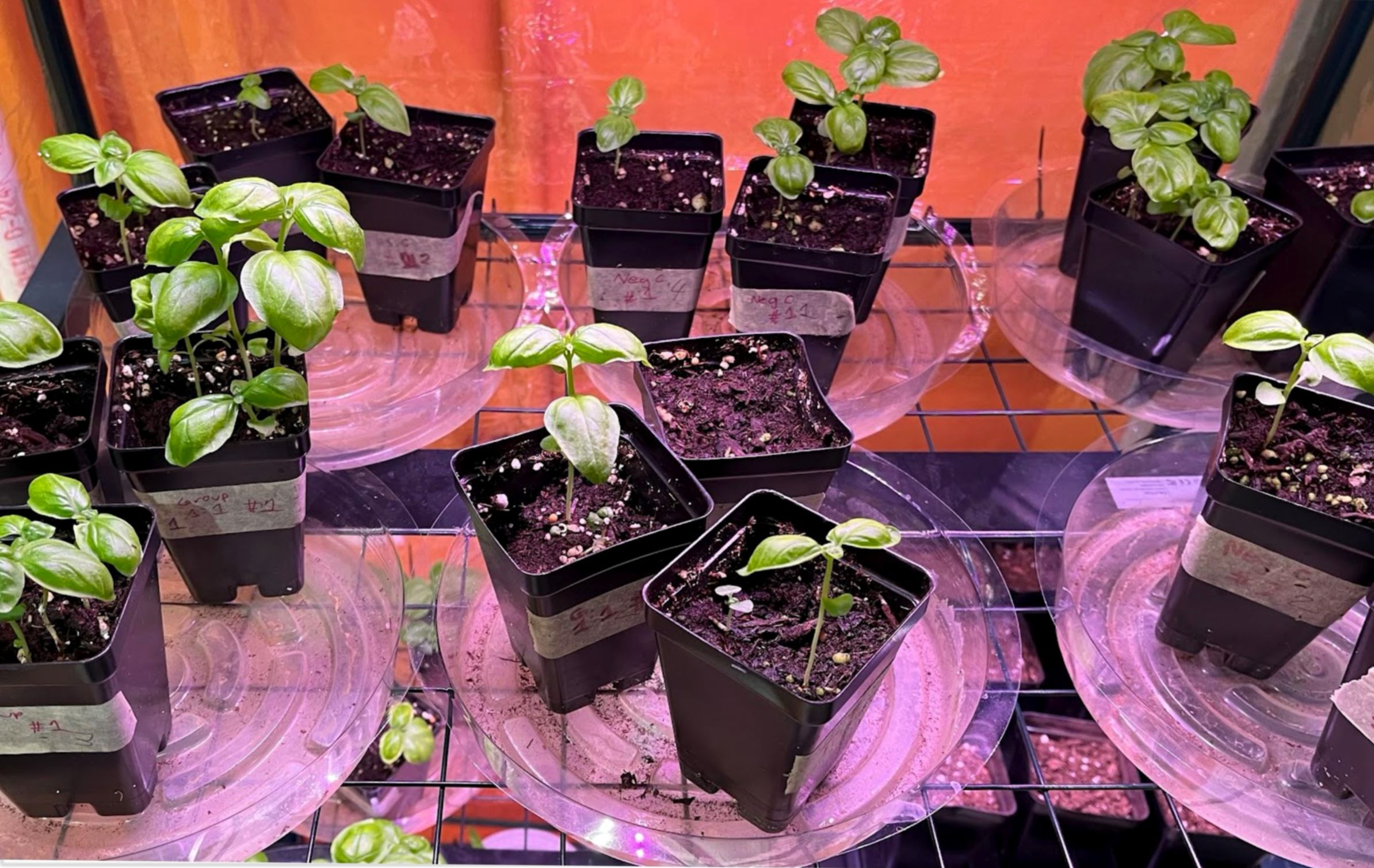
Figure 1: Growth Progress of Basil plants
Data Collection
After the treatment application, plant growth was recorded for one month. Each week, the plant height and stem diameter were recorded for every individual basil plant. Plant height was measured from the exposed stem to the terminal bud with a metric ruler. Stem diameter was measured with a digital calliper (Mastercraft). After one month, fresh weight was measured. The potting mix was first removed from the plant. Surface moisture was then blotted off with paper towels. The plant was weighed immediately after.
Results
The 1:1 W:R WRW treatment produced the greatest amount of plant growth across treatments as it showed the greatest change in overall plant height (Figure 2), stem diameter (Figure 3) and fresh weight (Figure 4). The positive control conventional fertilizer treatment showed greater change in plant height and stem diameter than the negative control and 6:1 W:R WRW treatment. Although the 6:1 W:R WRW treatment showed less plant height and stem diameter growth compared to the negative control, the 6:1 W:R WRW treatment’s change in fresh weight was 64% greater than the negative control.
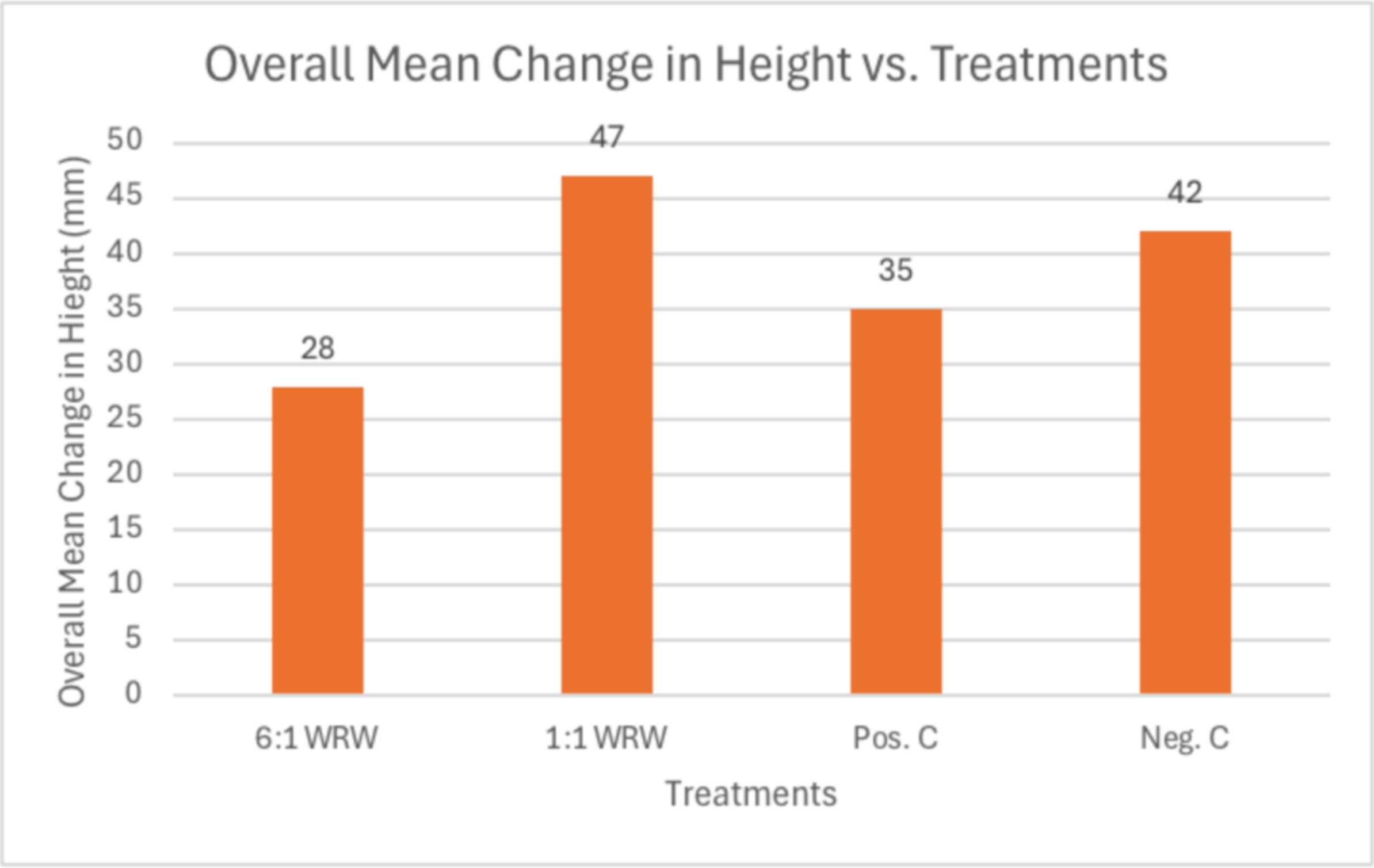
Figure 2: Overall Change in Basil Height for Treatments

Figure 3: Overall Mean Change in Basil Stem Diameter for Treatments
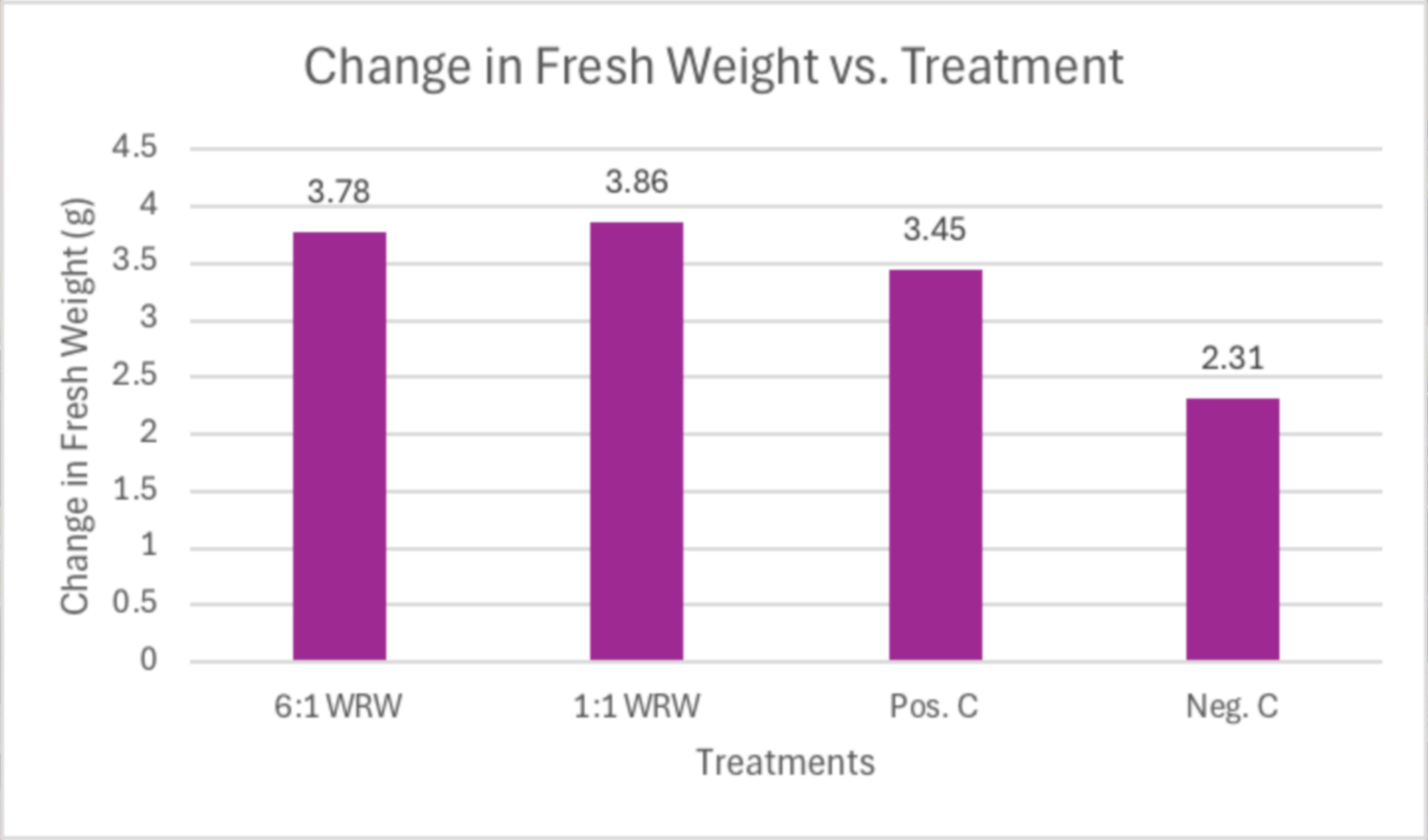
Figure 4: Overall Change in Basil Stem Diameter for Treatments
Discussion
The trend of the 1:1 W:R WRW treatment producing the greatest amount of plant growth aligns with how Nabayi et al. (2021) determined that lower W:R ratios showed to have greater P, Mg, and Zn concentrations due to their low solubility in water. Greater plant growth could therefore result as P and Zn are micronutrients essential in the growth and development of plants (Malhotra et al., 2018; Rudani et al., 2018). This suggests that a lower W:R ratio in a WRW solution may increase plant growth.
Furthermore, the trend of the 6:1 W:R WRW treatment and tap water negative control treatment demonstrating relatively less plant growth aligns with Nabyi et al. (2022). Their experiment revealed how tap water resulted in less plant growth when compared to WRW solutions and conventional fertilisers. It was suggested that this was the result of the increased nutrient content in WRW and conventional fertilisers. Therefore, the trend of less plant growth from the tap water negative control and the 6:1 W:R WRW treatment may have been a consequence of their lack of and diluted concentrations of essential nutrients.
However, despite the trends shown, there were limitations in the study design. A major limitation was the small sample size, and the low number of trials conducted. With a larger sample size and more trials, the impact of outlier data points could have been reduced, leading to more reliable and consistent results. Furthermore, it is difficult to obtain consistent data from plants due to their unpredictable biology. Conducting more trials and including a larger sample of plants is essential in the reliability of this specific experiment.
In conclusion, the results of this experiment agree with previous findings and reaffirms the effectiveness of reusing WRW as a fertiliser. The results also suggest that utilizing lower volumetric W:R ratios in WRW solutions increases plant growth. Future experiments could reduce inconsistencies that affect the overall accuracy of the results with a larger sample size and more trials. The use of WRW as a fertiliser in large-scale agriculture settings could also be investigated. Regardless, fertilising potted plants with WRW has been shown to be beneficial for both plant growth and water conservation.
References
Malhotra, H., Vandana, Sharma, S., Pandey, R. (2018). Phosphorus Nutrition: Plant Growth in Response to Deficiency and Excess. In: Hasanuzzaman, M., Fujita, M., Oku, H., Nahar, K., Hawrylak-Nowak, B. (eds) Plant Nutrients and Abiotic Stress Tolerance. https://doi.org/10.1007/978-981-10-9044-8_7
Mekonnen, M. M., & Hoekstra, A. Y. (2016). Four billion people facing severe water scarcity. Science Advances, 2(2). https://doi.org/10.1126/sciadv.1500323
Nabayi, A., Teh, C., Tan, A., & Tan, N. (2022, September 18). Consecutive Application Effects of Washed Rice Water on Plant Growth, Soil Chemical Properties, Nutrient Leaching, and Soil Bacterial Population on Three Different Soil Textures over Three Planting Cycles. Agronomy, 12(9). https://doi.org/10.3390/agronomy12092220
Nabayi, A., Teh, C., Tan, A., Tan, N., & Akhir, N. (2021). Chemical and Microbial Characterization of Washed Rice Water Waste to Assess Its Potential as Plant Fertilizer and for Increasing Soil Health. Agronomy, 11(12). https://doi.org/10.3390/agronomy11122391
Rudani, K., Patel, V., & Prajapati, K. (2018). The Importance Of Zinc In Plant Growth – A Review. International Research Journal of Natural and Applied Sciences. 5. 2349-4077. https://www.researchgate.net/publication/348993341
Savci, S. (2012). Investigation of Effect of Chemical Fertilizers on the Environment. APCBEE Procedia, 1, 287-292. https://doi.org/10.1016/j.apcbee.2012.03.047.
Shahbandeh, M. (2024, January 31). Total global rice consumption 2023/24. Statista. Retrieved December 10, 2024, from https://www.statista.com/statistics/255977/total-global-rice-consumption